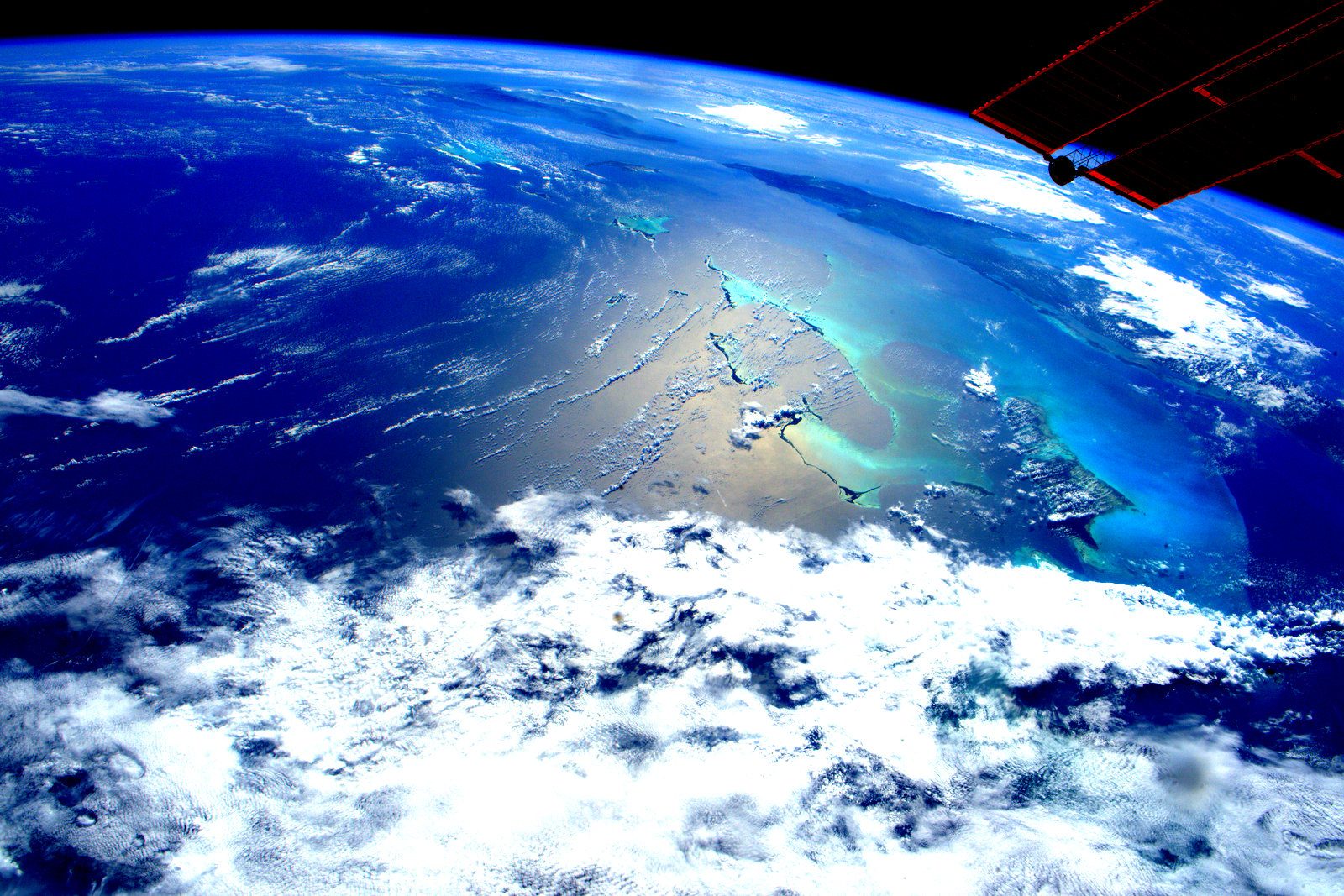
The turquoise shallows of the Bahamas seen from the International Space Station

Photo: NASA · Public domain

What Space Tourism Costs,
and How to Go

Practical, up-to-date guides for aspiring space travelers, from understanding the costs to knowing which operators to trust.

What a Trip to Space Costs

The real 2026 numbers, and where prices head from here.

Pricing

How Much Does a Space Trip Cost in 2026?

From suborbital flights to orbital stays: a complete breakdown of what it costs to leave Earth right now, and what the pricing trajectory looks like for the next five years.

Read guide →
Price Index

The Space Tourism Price Index

Every operator's current and historical pricing in one reference table. What space travel costs in 2026 by operator and tier, and how prices have changed since 2001.

Read guide →
Timeline

The Space Tourism Flight Timeline

Every milestone space tourism flight since 2001: who flew, on what, and why it mattered, from the first paying tourist to the first all-female crew, each one sourced.

Read guide →
Who's Flown

Who's Flown to Space?

The people of the commercial era: the first paying tourist, the oldest and youngest ever to fly, the first all-female crew, the first wheelchair user above the Kármán line. Who flew, and the record each one set.

Read guide →
Suborbital

Suborbital Spaceflight: Cost, Altitude & Who's Flying

The real entry point to space: New Shepard vs Virgin Galactic Delta on how high you actually go, what a seat costs, the 80 km vs 100 km line that decides whether you've crossed into space, and whether you can book one right now.

Read guide →
Price Trends

When Will Space Tourism Be Affordable? The Price Roadmap to 2035

From $20 million in 2001 to $150,000 today: the forces driving prices down, analyst projections through 2035, and what the curve means for ordinary travelers.

Read guide →
Future Travel

How Much Will a Trip to Mars Cost?

No Mars ticket exists yet, but here's what it would realistically cost, why it's so expensive, and the path toward SpaceX's $500,000 goal.

Read guide →
Investing

How to Invest in the Space Tourism Industry

Stocks, ETFs, private equity, and domain names: a guide to the financial opportunities in the commercial space sector for non-astronauts.

Read guide →

Who's Actually Flying

The companies that'll fly you, what each charges, and who's grounded right now.

Operators

The Complete Guide to Space Tourism Companies in 2026

SpaceX, Blue Origin, Axiom Space, Virgin Galactic, Space Adventures: who they are, what they offer, and how they compare.

Read guide →
Operator Pricing

How Much Does a Blue Origin Flight Cost in 2026?

New Shepard ticket prices, the $28M first seat, what's included, the suborbital experience, and how to book a flight to the edge of space.

Read guide →
Operator Pricing

How Much Does a Virgin Galactic Ticket Cost in 2026?

SpaceShipTwo seat pricing, the multi-day astronaut experience, deposits, and how Virgin Galactic compares with Blue Origin.

Read guide →
Operator Pricing

How Much Does an Axiom Space Mission Cost in 2026?

What a ~$55M private orbital mission to the ISS covers: transport, training, and the stay, and why orbital costs 100× more than suborbital.

Read guide →
Operator Pricing

How to Fly on SpaceX as a Space Tourist in 2026

SpaceX doesn't sell seats directly, but private citizens have orbited on Crew Dragon since 2021. How Inspiration4, Polaris, and Axiom missions work, what they cost, and where Starship fits in.

Read guide →
Operator Pricing

How Much Does a Space Perspective Flight Cost in 2026?

Neptune balloon flights to 30 km: what the $125K ticket covers, the Eos X Space acquisition, and how a 6-hour stratospheric flight compares to rocket operators.

Read guide →
Operator Status

Is Blue Origin Still Flying in 2026?

No. New Shepard is paused for at least two years. Why it stopped, when it might resume, and what you can fly instead right now.

Read guide →
Operator Status

Is Virgin Galactic Flying in 2026?

Not yet, but Delta-class commercial flights are targeted for Q4 2026 and ticket sales just reopened at $750,000. The full status, timeline, and what to do if you have a reservation.

Read guide →
Spaceship Names

Name a Virgin Galactic Spaceship

Virgin Galactic is letting the public name one of its next ships. Vote Aug 11–27 between Horizon, Explorer, Ascend and Apeiron, plus the VSS naming story from Enterprise to Unity to the Delta fleet.

Read guide →

Planning & Booking a Trip

How to book a seat, what it takes to qualify, and how safe it really is.

Space Stations & Space Hotels

The ISS retires around 2030. Who’s building the stations that replace it, and what a stay will cost.

What Space Feels Like

The parts of spaceflight you can book this year: a weightless flight, a launch up close, Space Camp.

Preparation

How to Prepare for a Space Flight: Physical and Mental Training

What the training programs look like, how long they take, what medical conditions are disqualifying, and what to expect before you strap in.

Read guide →
What to Expect

What It Actually Feels Like to Go to Space

First-person accounts from commercial space travelers: the launch, the weightlessness, the view, the re-entry, and what life is like when you get back.

Read guide →
Visit

Kennedy Space Center: A Complete Visitor Guide

Real space tourism you can book today: tickets, the must-see exhibits, launch viewing, how many days you need, and where to stay on the Space Coast.

Read guide →
Weightless Flight

Zero-G Flight: The Weightless Experience

Float in true weightlessness, the same technique NASA uses to train astronauts. What 15 parabolas feel like, what it costs, who can fly, and is it worth it.

Read guide →
Space Camp

Space Camp: Is It Worth It?

Not just for kids: adult, family and youth programs at the U.S. Space & Rocket Center. Programs, prices, what you actually do, and whether it delivers.

Read guide →
Launch Viewing

How to Watch a Rocket Launch

See a launch in person, for free. The best Space Coast viewing spots, how to find the schedule, how close you can get, closest hotels, and photo tips.

Read guide →
Launch Sites

Where to Watch a Rocket Launch: Every U.S. Site

Cape Canaveral isn't the only option. Where to watch launches from Vandenberg, Starbase, and Wallops Island, plus how to find any launch schedule.

Read guide →
Launch Viewing

How to Watch a Rocket Launch in China

Thousands watch Long March rockets from the free beaches at Wenchang, Hainan — about 3 km from the pads, visa-free for most Western passports. The spots, the schedule problem, and what launch night is like.

Read guide →
Spacewalks

How to Watch a Spacewalk Live

NASA streams three ISS spacewalks in August 2026, starting August 6 with Jessica Meir and Anil Menon. The schedule, where to watch free, and what you'll actually see hour by hour.

Read guide →
Space Shuttles

Where to See a Real Space Shuttle

Atlantis, Discovery, Endeavour, Enterprise: all four surviving orbiters, and where each lives now, plus the best NASA visitor centers. Tickets, what you'll see, and which trip is worth it.

Read guide →

The Planets, One by One

What each world actually looks like through a backyard telescope — and when to look.

Start here

See the Planets

The solar system, one guide per world — what each planet actually looks like from a backyard, when to look, and the telescope it takes.

Read guide →
The Moon

The Moon

The best thing a beginner telescope shows you — and almost everyone looks on the wrong night. The terminator at a half Moon is where the craters stand up in relief.

Read guide →
Jupiter

Jupiter

Cloud belts, and four moons that rearrange from one night to the next. Binoculars are enough to start. Opposition falls February 10–11, 2027.

Read guide →
Mars

Mars

A real red disc with a polar cap in the months around opposition. February 19, 2027 is the night — and the honest answer on what aperture it takes.

Read guide →
Venus

Venus

The blinding evening star. A 60mm scope shows what Galileo saw in 1610: Venus has phases, and that observation broke the Earth-centred universe.

Read guide →
Mercury

Mercury

Most people have never knowingly seen it. It hugs the Sun — a low sliver of twilight a few weeks a year, and timing is everything.

Read guide →
Uranus

Uranus

Right at the naked-eye limit. In a telescope it's a small, definite, blue-green dot — and finding it yourself is the sport. Opposition November 25, 2026.

Read guide →
Neptune

Neptune

The farthest planet a backyard telescope can reach: a faint blue point that took mathematics to find before anyone saw it. Opposition September 26, 2026.

Read guide →
Earth

Earth

The one world you can't point a telescope at. Watch the space station carry people over your house, and see the planet's own shadow rise at sunset.

Read guide →
Saturn

Saturn

The rings are tilting back open through 2026, and the October 4 opposition is the night to plan around. What you'll see at each aperture.

Read guide →

Stargazing & the Night Sky

You don’t need a rocket to explore space tonight.

Sky Events & Eclipses

The nights worth planning around: meteor peaks, planet line-ups, and every eclipse through 2030.

Dark-Sky Travel & Aurora

Where to go for a truly dark sky, from a Sedona overlook to the aurora capitals.

Guided Tours

Guided Stargazing & Dark-Sky Tours

No telescope, no dark-sky research required. A local guide handles both. Real, bookable tours in Sedona, Zion, Joshua Tree, the Grand Canyon and more, from $20.

Read guide →
Dark Skies

Stargazing in Sedona

A certified Dark Sky Community with 275 clear nights a year: the best free red-rock viewpoints, when to go, the Milky Way season, and the astronomer-led tours worth booking.

Read guide →
Dark Skies

Stargazing in Jackson Hole

Free weekly telescope nights, a mountaintop observatory up a gondola, Grand Teton's dark pullouts, and the astronomer-led park tours worth booking — with what each costs.

Read guide →
Dark Skies

The Best National Parks for Stargazing

The certified dark-sky parks in the NPS's own words: Big Bend's lower-48-darkest sky, Bryce's 100 astronomy nights a year, the Grand Canyon Star Party, and the tours worth booking.

Read guide →
Dark Skies

Stargazing on Mauna Kea

Hawaii's 13,800-ft summit is the best observatory site on Earth: the free visitor-station program, the guided summit tours worth booking, altitude and access rules, and when to go.

Read guide →
Dark Skies

Stargazing in the Northeast

Real dark skies survive within a drive of NYC and Boston — the Catskills' astronomer-led overnight campouts, Cherry Springs' Bortle-2 astronomy field, and Maine's Dark Sky Sanctuary.

Read guide →
Dark-Sky Travel

The Best Dark-Sky Destinations for Stargazing

Where to travel for a truly dark sky: Atacama, Aoraki Mackenzie, La Palma and more, with the best season for each and how to book a stargazing tour.

Read guide →
Dark-Sky Travel

The Best Stargazing Hotels and Dark-Sky Resorts

Hotels where the telescope is already outside: a Bortle 2 villa in Colorado, a silo observatory in Virginia, glass domes near Bryce, and a 12-inch Meade in the Namib.

Read guide →
Aurora

See the Northern Lights

Fairbanks and Anchorage both run real, bookable aurora tours most of the year — when to go, what a tour gets you, and the camera settings that actually capture it.

Read guide →
Aurora

Best Places to See the Northern Lights

The four aurora capitals worth the flight: Tromsø, Reykjavík, Abisko, and Rovaniemi, ranked by clear-sky odds, cost, and how easy each is to reach.

Read guide →
Observatories

The Largest Telescopes in the World

The reigning 10.4 m champion, the 39 m giant that takes the title in 2029, the full ranked table of Earth's biggest mirrors — and which ones you can actually visit.

Read guide →

Telescopes

Which telescope to actually buy, and which to skip.

Smart Telescopes

App-controlled scopes that photograph the sky for you, and the matchups everyone cross-shops.

Smart Telescopes

Best Smart Telescopes for 2026: Deep Sky From Your Phone

App-controlled telescopes that photograph galaxies and nebulas automatically, no experience required. Picks from $399 to $5,000.

Read guide →
Smart Telescopes

Smart Telescope Price Tracker (2026)

Every smart telescope worth buying in one price table — from the $399 Seestar S30 to the $4,500 Unistellar. Re-checked weekly against live listings.

Read guide →
Smart Telescopes

How Do Smart Telescopes Work?

Plate solving, live stacking, and the app that runs it all — how a Seestar or Dwarf turns twenty minutes on a driveway into a color photo of a nebula.

Read guide →
Smart Telescopes

Seestar S30 vs. Dwarf 3: Which Should You Buy?

The two smart telescopes everyone cross-shops, head to head. What each photographs, the real all-in price, and which one I'd put in a first-time buyer's hands.

Read guide →
Smart Telescopes

Seestar S30 Pro vs. Dwarf 3: Which Should You Buy?

Both use apochromatic glass, so that isn't the tiebreak. Sensor size, focal ratio, app polish, and the $60 between them once the Dwarf 3 has a tripod.

Read guide →
Smart Telescopes

Seestar vs. Dwarf: Which Brand Should You Buy?

ZWO's Seestars against DwarfLab's Dwarfs — every current model at today's prices, where each brand wins, and which head-to-head your budget puts you in.

Read guide →
Smart Telescopes

Seestar S30 vs. Dwarf Mini: Which Should You Buy?

The two $399 smart telescopes with nearly the same optics. Same lens, same sensor — so the decision is the tripod, the weight, and one question you can answer in a second.

Read guide →
Telescopes

NexStar 6SE vs. 8SE: Which Should You Buy?

Celestron's two classic orange tubes — same mount, same buttons, $500 apart. Where that money actually goes, and which one most people should buy.

Read guide →
Smart Telescopes

Vespera II vs. Seestar S30 Pro: What the Extra $900 Buys

Both shoot with the same 8.3-megapixel Sony sensor, so this is a lens upgrade, not a camera one — and the pricier scope frames a narrower piece of sky, not a wider one.

Read guide →

Eyepieces

The stock eyepiece is a starting point. These are the upgrades that actually show you more.

Binoculars & Solar Viewing

The most underrated tool in astronomy, and the only safe ways to look at the Sun.

Filters, Mounts & Accessories

The small stuff that decides whether the big stuff works.

Astrophotography

From a $500 starter rig to a backyard observatory.

Books & Apps

An app tells you what’s up tonight. A good book teaches you why it matters.

Gifts

Space gifts that are still in use come February.

Interactive Tools

Beyond the guides: quick quizzes that match you to the right first telescope or the flight tier you could actually book, plus a live look at tonight's sky.

Open Datasets & Live Data

Our sourced, dated space-tourism data — a live operator price board plus machine-readable datasets, free to cite and reuse under CC BY 4.0 with a link back.

THE SPACE TOURISM BRIEFING

What Space Costs, Every Week

The Briefing is our free weekly email: what space costs now (we track every operator), what’s launching, and what to see in the sky tonight. Subscribe and your welcome email brings The Starter Sky Plan — seven nights from your first good look at the Moon to Saturn’s rings.

Free, every week. No spam — unsubscribe anytime.