Can I Actually Go to Space?
Yes, you can go to space as a tourist; the real gates are budget, age, and health. Answer three questions and see the tier you could book today.
In this guide
Most people never ask this question seriously, because the answer feels obvious: not me, not really. But you can go to space as a tourist — private passengers have been buying their way up since 2001 — and “can I go to space” isn’t one question, it’s three (budget, age, health). The real answer for most people is more interesting than a flat no: answer the three below and we’ll show you the space-tourism tier you could realistically book today, which of the three is actually holding you back, and what you can go do tonight while you wait.
Why the answer usually isn’t medical
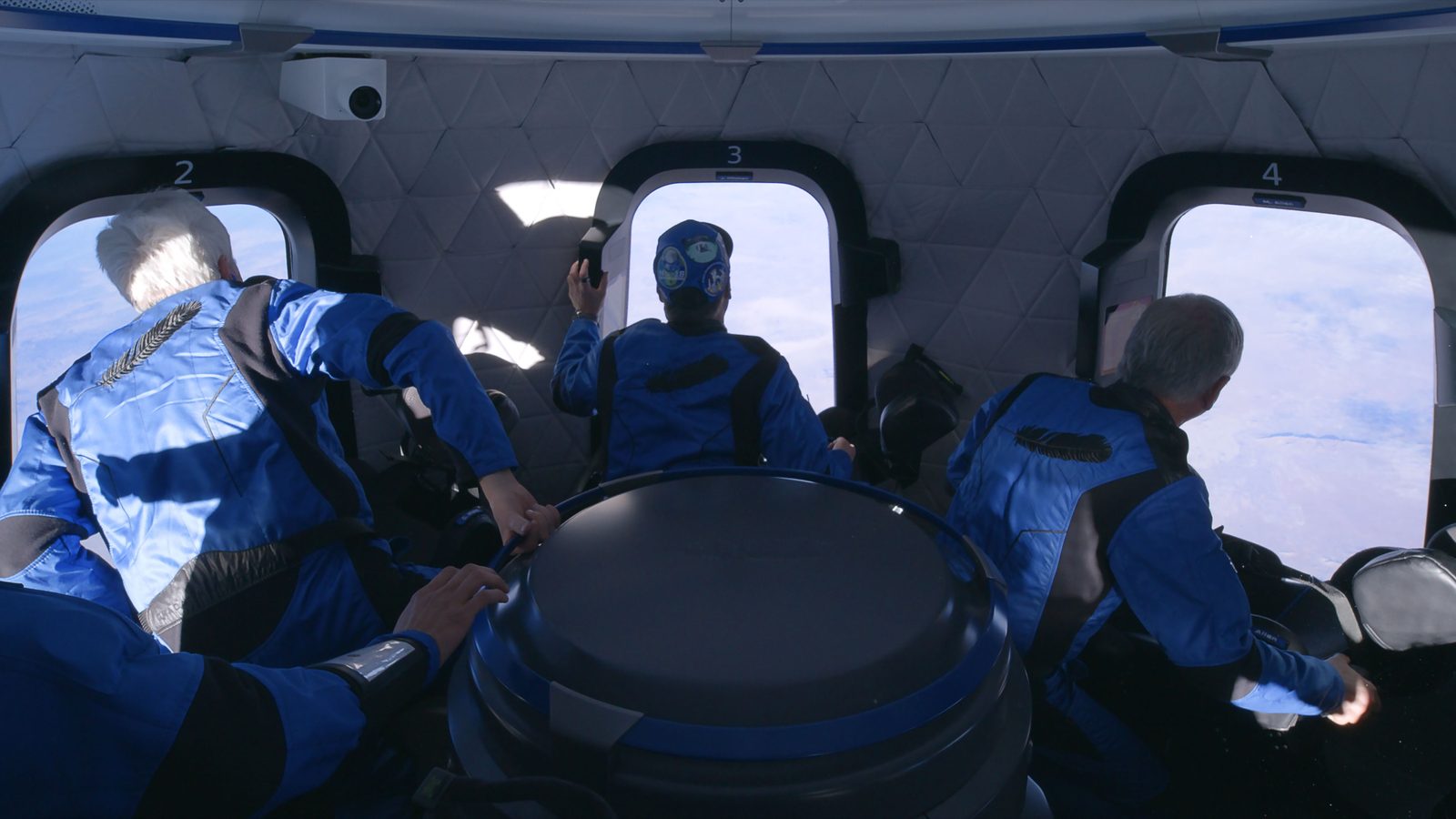
The stereotype is that spaceflight demands astronaut-grade fitness. It doesn’t, not for the tiers most people are actually asking about. Blue Origin has flown passengers in their 90s; suborbital operators mainly check that you can climb a flight of stairs unassisted and tolerate a few seconds of G-forces. For nearly everyone reading this, budget is the real gate, not health. That’s not a knock on the industry — it’s just where the market is in 2026, and it’s exactly why we built the checker above to separate the two.
The gap the checker exposes
Run the numbers with a mid seven-figure budget and you’ll notice something the industry doesn’t advertise: there is currently nothing to buy between roughly $750,000 (the top of suborbital) and about $55 million (the start of orbital). No operator sells a seat in that range. It’s the same “jaws” pattern our price index tracks over time — entry prices collapsing while orbital stays flat, just felt from the buyer’s side instead of the chart.
What to do with your answer
If you landed on Zero-G, that is a bookable experience this year, and the guide link takes you straight to the details. If you landed on a balloon flight, nobody is selling a seat right now: World View and Space Perspective are paused, Zephalto and Halo Space are pre-launch, and the linked guide shows what each one is targeting. If you landed on suborbital or orbital, both markets are real but currently between flights or seats; the linked guide tells you exactly when and how to get in line. And if none of the tiers fit yet, that puts you in the majority. See our full beginner’s guide to space tourism for the complete picture, or start tonight with stargazing for beginners, no ticket required.
The two paths that don’t involve a ticket
Everything above assumes you’re buying your way up, because for nearly everyone that’s the answer. But two other routes exist, and both deserve a straight description rather than the vague optimism they usually get.
Earn a seat. NASA still hires astronauts roughly every four years, and the 2025 class chose 10 candidates from more than 8,000 applicants — selection odds near a tenth of one percent. The baseline just to apply: U.S. citizenship, a master’s degree in a STEM field (a medical degree or test-pilot school also counts), plus several years of professional experience or 1,000 hours piloting jet aircraft, and NASA’s long-duration spaceflight physical. It’s a career, not a purchase; most successful candidates spend a decade or more building the résumé first. ESA and other national agencies run their own selections on a similar cadence, with similar odds.
Win a seat. Free rides to space are real, but they arrive on someone else’s schedule and vanish without warning. The nonprofit Space for Humanity sponsored two citizen astronauts on suborbital flights in 2022 — and its applications have been closed since November of that year, with no reopening as of mid-2026. Virgin Galactic gave away two seats through a sweepstakes; the winner flew with her daughter in 2023. And dearMoon, the project that promised eight free seats around the Moon, was canceled outright in 2024. My read: enter a giveaway whenever one appears, since somebody does win. But don’t build a plan on it. The checker above is the plan; a sweepstakes is a lottery ticket.
Every tier, compared
Prefer to see everything at once instead of running the quiz? Here’s the full comparison.
| Tier | Price | Min. age | Medical bar | Available right now | Guide |
|---|---|---|---|---|---|
| Zero-G Parabolic Flight | ~$8,900 | 8+ | None | Flying now with Air Zero G in France; the U.S. operator (Zero Gravity Corp.) has been paused since August 2025. | Read guide ▸ |
| Stratospheric Balloon Flight | $125K–$195K | Not specified | Low | World View and Space Perspective are both between reservations; Zephalto is the nearest bet, targeting first public flights later in 2026. | Read guide ▸ |
| Suborbital Spaceflight | $150K–$750K | 18+ | Moderate | Both operators are grounded right now — Virgin Galactic's Delta-class targets a return in February 2027; Blue Origin is paused until roughly 2028. | Read guide ▸ |
| Orbital Spaceflight (ISS) | ~$55M+ | 18+ | High | Bookable today through Axiom Space; its next mission, Ax-5, is targeting early 2027. | Read guide ▸ |
| Lunar Flyby | $100M+ (est.) | 18+ | High | Not yet flown privately. No operator is selling seats at any price. | Read guide ▸ |
| Mars Expedition | Not yet priced | Not specified | Unknown | No tickets exist at any price. | Read guide ▸ |
Frequently Asked Questions
Can you go to space as a tourist?
Yes. Private passengers have been buying their way to space since Dennis Tito visited the ISS in 2001, and today's realistic menu runs from a Zero-G parabolic flight (around $8,900 — real weightlessness, though not space itself) through suborbital seats with Blue Origin or Virgin Galactic (roughly $150,000 to $750,000) up to multi-day orbital missions arranged by Axiom Space (tens of millions). You don't need an astronaut career or astronaut-grade fitness; for most people the genuine gate is budget, not health. The checker on this page shows which tier you could realistically book today.
What are the medical requirements to go to space?
It depends heavily on the tier. Suborbital flights (Blue Origin, Virgin Galactic) have a relatively accessible bar: you need to climb a seven-story structure and exit the capsule unassisted, and tolerate roughly 5G during ascent and re-entry. Most healthy adults 18 and older qualify, and Blue Origin has flown passengers in their 90s. Orbital missions (Axiom Space) require a much stricter, NASA-standard medical and psychological screening because you live in space for a week or more. Zero-G parabolic flights and stratospheric balloon flights have no meaningful medical bar at all.
What is the minimum age to go to space?
Zero-G parabolic flights are generally open to anyone age 8 and up. Suborbital and orbital human spaceflight has, in practice, been limited to adults 18 and older, though no universal regulation sets that floor. Each operator sets its own criteria. Stratospheric balloon operators haven't published a minimum age.
Is budget or health the bigger barrier to space tourism?
For almost everyone, budget. The medical bar for suborbital flight is forgiving enough that most healthy adults clear it, but the price (currently $150,000 to $750,000 for a few minutes above the Kármán line, or tens of millions for an orbital stay) rules out the vast majority of interested people long before medical screening becomes the issue.
Can I go to space if I have a health condition?
Often, yes. A well-managed condition (controlled blood pressure, a past minor procedure) is frequently not disqualifying, but every operator runs its own individual screening, so you'd confirm with their flight surgeons before paying a deposit. Conditions that prevent you from climbing stairs unassisted or tolerating G-forces safely (serious uncontrolled cardiovascular disease, for example) are a bigger obstacle for suborbital and orbital flight specifically, but Zero-G and stratospheric balloon flights don't carry that same physical requirement.
How do you become a professional astronaut?
Through a national space agency's selection, and the odds are steep: NASA's 2025 class picked 10 candidates from more than 8,000 applicants. The baseline requirements are U.S. citizenship, a master's degree in a STEM field (a medical degree or test-pilot school also qualifies), several years of professional experience or 1,000 hours piloting jet aircraft, and passing NASA's long-duration spaceflight physical. Selections open roughly every four years; ESA and other national agencies run their own on a similar cadence.
Can I go to space for free?
Occasionally, but you can't plan on it. The nonprofit Space for Humanity sponsored two citizen astronauts on suborbital flights in 2022, but its applications have been closed since November 2022 and hadn't reopened as of mid-2026. Virgin Galactic has given seats away by sweepstakes (the winner flew in 2023), and dearMoon, which promised eight free seats around the Moon, was canceled in 2024. A free seat is a lottery ticket worth entering when one appears, not a path you can count on.
What can I do if I can't afford or don't qualify for a real spaceflight yet?
Plenty. A Zero-G parabolic flight (around $8,900) gives you real, physics-true weightlessness without an orbital budget. Watching a launch in person, visiting a NASA visitor center, or Space Camp all deliver a piece of the experience for far less. And you don't need any of that to see space tonight: a good pair of binoculars or a first telescope shows you Saturn's rings and the Moon's craters from your own backyard.
Rob founded Outer Space Trip and writes its operator cost guides, the Space Tourism Price Index, and the See Space Now gear guides. He has observed since a high-school observatory in the 1990s and still runs the 10-inch Meade LX200 he bought after college. How we pick and source ▸
Beginner’s Guide to Space Tourism
What it takes, who can go, and how to book your first flight.
Read →How to Book a Space Tourism Flight
Step-by-step: which operators take reservations, how deposits work, medical screening, and what to expect before launch.
Read →Space Tourism Insurance
You sign away the right to sue, your travel policy excludes the flight, and your life insurance may not pay. What the operator actually insures — and the questions to ask before the deposit clears.
Read →