Best Places to See the Northern Lights
The four aurora capitals worth crossing an ocean for: Tromso, Reykjavik, Abisko, and Rovaniemi, compared on clear-sky odds and how easy each is to reach.
In this guide
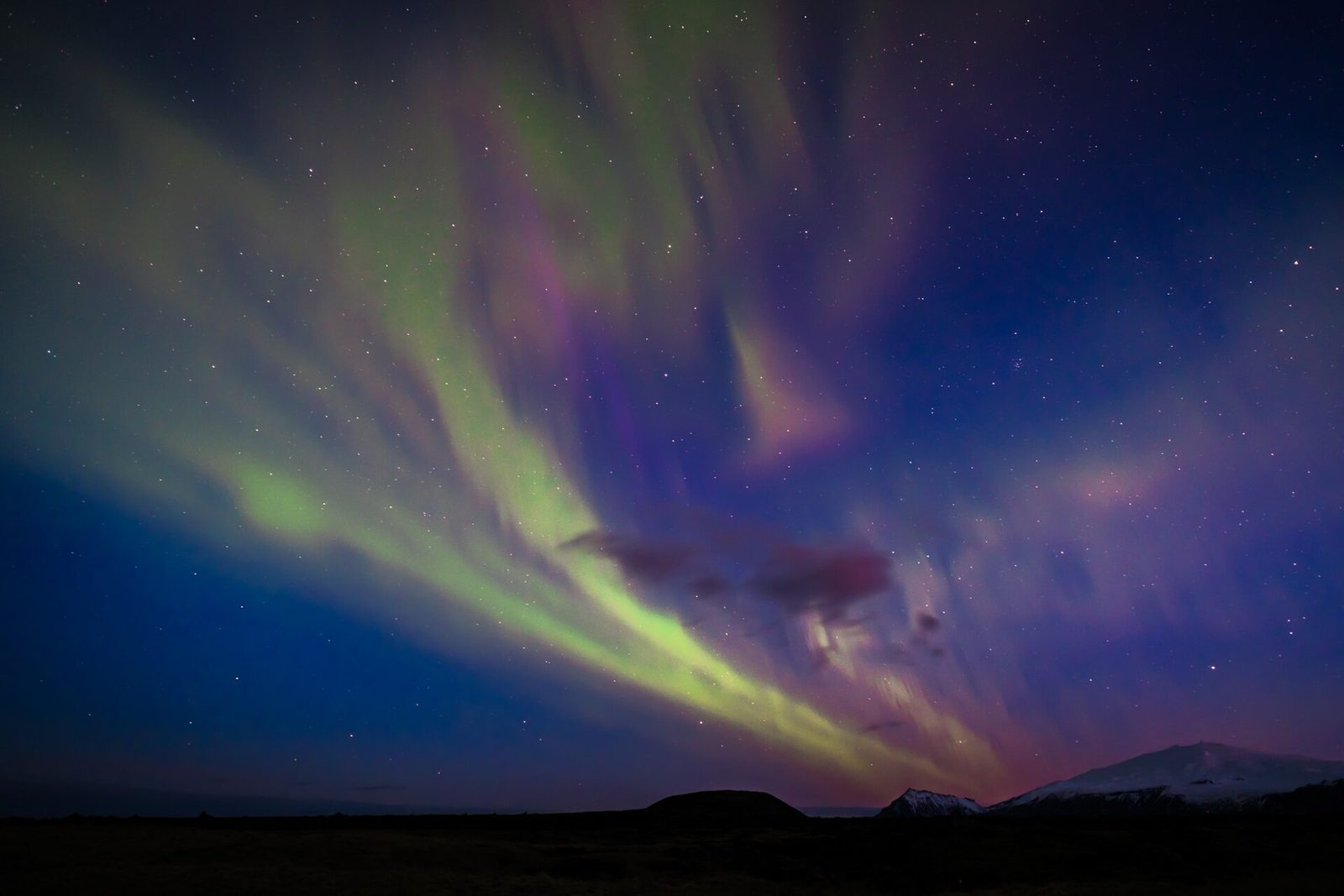
Every list of aurora destinations sorts them by latitude, as if being far enough north were the whole game. It isn’t. Sitting under the auroral oval only matters if you can actually see the sky — and the difference between a great aurora trip and a frustrating one is almost always cloud, not solar activity. The four places below are the ones that get both parts right often enough to be worth a flight, and they are where GetYourGuide sells the deepest lineup of real, guided tours. If you’d rather not leave North America, our Alaska and Yellowknife aurora guide covers Fairbanks, Anchorage, and the best odds on this side of the Atlantic.
Outer Space Trip may earn a commission from booking and gear links on this page; your price is the same.
What actually makes a place good for aurora
Two things, in this order. First, clear-sky odds: how many nights the clouds break in the season you’re there. A perfect Kp forecast is worthless under an overcast sky, and this single factor separates the destinations below more than anything else. Second, how dark and how far north the viewing sites are: all four sit close to the auroral oval, so on a clear, active night any of them will deliver. The practical upshot is that you shouldn’t just chase the highest latitude. You should weigh how reliably the sky clears against how much travel effort it takes to get there, which is exactly how the four break apart.

Tromsø, Norway: the easiest deep lineup
Tromsø is the aurora capital most people should start with. It has a real airport with direct flights from several European hubs, a walkable city to base in, and by far the widest choice of guided chases: minibus tours that drive hours to find a hole in the clouds, small-group trips with a photographer, and longer hunts that will cross into Finland if that’s where the clear sky is. That last part matters: Tromsø sits on the coast, so its own weather is changeable, and the good operators earn their fee precisely by driving out from under the clouds. Most run five to seven hours and include thermal suits and hot drinks. Current tours, prices, and free-cancellation terms are on GetYourGuide’s Tromsø northern lights tours.
Abisko, Sweden: the clearest skies anywhere
If you care about odds above all else, this is the pick. Abisko sits in a rain shadow: the mountains to its west wring the moisture out of incoming weather, leaving a pocket of unusually clear sky known as the “blue hole” even when the whole region is socked in. That microclimate is why serious aurora-chasers treat a few nights here as the highest-probability trip on the planet. The trade-off is access — you fly into Kiruna and transfer to the tiny village, so it takes more effort than Tromsø. But the village and its national park exist largely for the lights, with photo tours, snowmobile chases, and guided hikes built around them. Options and pricing are on GetYourGuide’s Abisko northern lights tours.
Reykjavík, Iceland: the one that fits a bigger trip
Iceland is the aurora destination you can bolt onto a vacation that was already worth taking. Reykjavík is a short flight from both North America and Europe, and the same trip gives you the Golden Circle, the Blue Lagoon, and the waterfalls. Many tours bundle a daytime sight with the night’s aurora hunt. Be honest about the weather, though: Iceland is cloudier and windier than inland Lapland, so sightings are less of a sure thing and the “try again free” rebooking policy most operators offer is worth using. It’s the best choice if the northern lights are one reason among several for the trip, rather than the only one. Current listings are on GetYourGuide’s Reykjavík northern lights tours.
Rovaniemi, Finland: Lapland with a family angle
Rovaniemi sits on the Arctic Circle in Finnish Lapland, and it pairs aurora hunting with the whole Lapland winter: huskies, reindeer, and the official Santa Claus Village, which makes it the standout pick for a trip with kids. Inland Finland clears more reliably than coastal Iceland, and several Rovaniemi operators lean into that with “guaranteed sighting” style tours that keep chasing across long distances (some in heated 4x4 vans) and rebook you for free if the lights don’t show. It’s the destination that most easily becomes a full winter holiday rather than a single-purpose aurora trip. Tours and current pricing are on GetYourGuide’s Rovaniemi northern lights tours.
When to go, and how to stack the odds
The season is the same across all four: roughly late September through late March, once the nights are long and dark enough. The equinox weeks around late September and late March tend to bring slightly more geomagnetic activity, but the real levers are in your control: give yourself at least three nights so one clear window is likely, book tours with a free-rebooking or “try again” policy, and check a Kp-index app each evening rather than committing your whole trip to one date. A guided tour is worth it here even more than in Alaska, because a local operator watching the forecast can drive to wherever the sky is breaking — the single most useful thing anyone can do to beat cloud.
The bottom line
Start with Tromsø if you want the easiest trip with the most tour choice, go to Abisko if you want the best clear-sky odds on Earth and don’t mind the extra travel, pick Reykjavík if the aurora is one part of a wider Iceland trip, and choose Rovaniemi if you’re bringing the family into a full Lapland winter. Whichever you book, the photography is the same discipline as any dark-sky night. Our Milky Way photography guide covers the settings; the aurora just wants a faster shutter. And it’s worth keeping your hands working between shots with touchscreen-compatible gloves in that cold. Once the lights fade, a pair of astronomy binoculars turns the rest of the Arctic sky into its own show.
Frequently Asked Questions
What is the single best place to see the northern lights?
For clear-sky odds above everything else, Abisko in Swedish Lapland is the connoisseur's answer — it sits in a mountain rain shadow that keeps a pocket of sky clear even when the wider region is cloudy. For the easiest trip with the most tour choice, Tromso in northern Norway is the better starting point: a real airport, a walkable base, and the deepest lineup of guided chases. The 'best' place is really a trade between clear-sky reliability and how much travel effort you want.
Which northern lights destination is easiest to reach?
Tromso, Norway and Reykjavik, Iceland are the two easiest. Tromso has direct flights from several European hubs and a compact city to base in; Reykjavik is a short flight from both North America and Europe and combines naturally with a wider Iceland trip. Abisko takes the most effort: you fly into Kiruna and transfer to the village, which is the price of its unusually clear skies.
When is the best time of year to see the aurora in Europe?
Roughly late September through late March, once nights are long and dark enough for the lights to show. The weeks around the September and March equinoxes tend to bring slightly more geomagnetic activity, but cloud cover matters more than the calendar. Give yourself at least three nights at any destination so a clear window is likely.
Are 'guaranteed' northern lights tours actually guaranteed?
Not in the sense of guaranteeing you'll see the aurora — no operator can promise that, since it depends on solar activity and clear sky. What 'guaranteed sighting' tours (common in Rovaniemi) actually offer is a free rebooking: if the lights don't appear on your tour, you can join another night at no cost. It's a useful policy on a multi-night trip, not a promise the sky will cooperate on any given date.
Iceland or Norway for the northern lights?
Norway (Tromso) generally has better aurora odds because inland and fjord viewing sites clear more reliably than Iceland's cloudier, windier weather, and it has more dedicated tours. Iceland (Reykjavik) wins if the northern lights are one reason among several for the trip — it pairs the aurora with the Golden Circle, the Blue Lagoon, and Iceland's landscapes in a way a pure aurora hub can't.
Rob founded Outer Space Trip and writes its operator cost guides, the Space Tourism Price Index, and the See Space Now gear guides. He has observed since a high-school observatory in the 1990s and still runs the 10-inch Meade LX200 he bought after college. How we pick and source ▸
See the Northern Lights
Fairbanks and Anchorage both run real, bookable aurora tours most of the year — when to go, what a tour gets you, and the camera settings that actually capture it.
Read →How to Photograph the Milky Way
The settings, the lens, and the planning steps that separate a blurry disappointment from a photo that stops people mid-scroll. For any modern camera or mirrorless body.
Read →The Best Dark-Sky Destinations
Where to travel for a truly dark sky — Atacama, Aoraki Mackenzie, La Palma and more, with when to go and how to book a stargazing tour.
Read →