Stargazing in Zion
Zion is an International Dark Sky Park and Springdale a Dark Sky Community. The darkest free spots, the ranger night programs, the monsoon, and the tours worth booking.

In this guide
Stand on the canyon floor in Zion an hour after sunset and the walls do something the daytime crowds never see: the sandstone goes black, the sky narrows to a river of stars between the cliffs, and the Milky Way runs straight down the slot like it was poured there. The walls block most of the horizon, and it doesn’t matter. There’s more sky in that strip than most people see in a year at home.
Short on time? Jump to the four tours worth booking, from a one-hour telescope walk (~$20) to a two-hour astronomer-led night outside Virgin.
Outer Space Trip may earn a commission from booking links on this page; your price is the same.
Why Zion’s sky is this good
Zion was certified an International Dark Sky Park on June 3, 2021, by the National Park Service and the International Dark-Sky Association. The towns around it signed on: Springdale, the park’s gateway town, backed the application, and in 2023 earned its own International Dark Sky Community certification, with lighting rules that require shielded, dark-sky-compliant fixtures on homes and businesses and custom retrofits on its streetlights. That matters for you in a practical way. You can sleep in a Springdale hotel and walk out to a sky that is still dark, instead of driving an hour to escape the glow of your own motel.
Not every corner of the park is equal, though. The Park Service says it plainly: you can see the Milky Way from anywhere in Zion, but the darkest skies are on the east side of the park and along Kolob Terrace Road. The main canyon is deep and narrow, so you trade horizon for drama. The east side and the Kolob high country give you both.
The best free stargazing spots in Zion
The park is open 24 hours, and stargazing costs nothing beyond the entrance fee ($35 per private vehicle, good for seven days). The Park Service’s own list of night-sky spots, grouped by how you get there:
- Zion Human History Museum patio: the easy one. Parking is limited, but you can drive your own car here even in shuttle season, and the patio is wheelchair accessible. The Park Service recommends it for sunrise, sunset and stars.
- The Pa’rus Trail: the paved, wheelchair-accessible riverside path from the Zion Canyon Visitor Center, walkable from Springdale.
- Checkerboard Mesa pullout, on the east side along the Zion–Mount Carmel Highway. This is the darkest sky you can reach on paved road from Springdale without a long drive, and you stargaze from the pullout, with no hiking in the dark. If you want a sunset first, the Canyon Overlook Trail is nearby: one mile round trip, just outside the east end of the tunnel. Walk it in daylight and be back at the car before dark; it has tall stone steps, overhangs and a cliff edge, and the lot is tiny.
- Kolob Terrace Road: the serious option. It leaves Highway 9 in the town of Virgin and climbs north past the Wildcat Canyon and Left Fork trailheads to Lava Point Overlook, 7,890 feet up and 25 miles north of Virgin, about an hour and twenty minutes from the South Entrance. Lava Point is usually reachable only from May through September, weather allowing.
- Timber Creek parking lot, Kolob Canyons: the park’s separate northwest corner, off I-15 at exit 40, 40 miles north of Zion Canyon.
Wherever you land, stay on trails and in parking areas, kill every white light, and give your eyes 20 to 30 minutes. Headlights and phone screens reset that clock to zero.
The free ranger programs. Zion runs ranger-led night-sky talks, most of them in summer: about half an hour on the night sky, with questions after, and some nights a ranger with a telescope on harder targets. They’re free with no registration; you park at the Zion Nature Center and follow the red-light trail to the North Lawn. A cloudy sky doesn’t cancel a program, but rain or thunder within 30 minutes of the start does. Dates change every season, so check the park’s program calendar or the NPS app for the week you’re there.
The guided tours, and which one to book
A tour is what you book for the telescope time: someone else has scouted a dark site outside the canyon walls, brought the optics, and knows tonight’s sky.
- East Zion stargazing with hot chocolate (~$20, about an hour): the cheapest good night in this guide. It starts at Zion Ponderosa Resort on the east side, with a ten-minute uphill walk to a spot away from the lights, a guide on the constellations, a high-powered telescope, and hot chocolate and tea. The operator arranges transport for anyone who can’t make the walk.
- Stargazing Zion astronomer-led tour (from ~$213 on GetYourGuide, about two hours; the operator’s own site lists adults from $170): my pick if you book one night. It runs at a private dark site near Virgin, with bean-bag loungers, blankets, binoculars and a warm drink each, a laser-guided constellation tour, and telescopes that build up long-exposure color images of nebulae and galaxies your eye can’t pull in on its own. Photos of you under the sky and the telescope images are included. The operator’s own site lists adults from $170 and kids from $95; the GetYourGuide price can differ, so compare the two before you book.
- Night-sky jeep tour with a telescope (about two hours, from Virgin): the drive is half the point. A jeep leaves Balcony One restaurant in Virgin and climbs to over 5,000 feet, where recliner chairs, a telescope and binoculars are waiting. Kids under two can’t come along.
- Greater Zion Dark Sky UTV tour (from ~$169, about two hours): you drive. It leaves from near Sand Hollow State Park, outside Hurricane, heads into the desert at sunset and stops at viewpoints as the stars come out. Book it for the off-roading. It runs west of the park, and the operator places a $1,500 hold on a card per machine at check-in.
Pick your night in Zion:
Compare all of them, with current prices and free-cancellation windows, on GetYourGuide’s Zion stargazing listings. Our guided stargazing tours guide covers the other dark-sky towns that run them, Sedona included.
A tour stops paying for itself the moment you want to do this twice. A $45–100 pair of astronomy binoculars shows you star clusters in the Milky Way from any pullout in the park, and our telescope finder matches you to a first scope in four questions.
When to go
Zion’s night sky has one season to plan around: the monsoon, July through September. Moist air builds clear mornings into intense afternoon thunderstorms, and a stormy afternoon can leave the whole night clouded out. In monsoon season, plan two possible nights, not one.
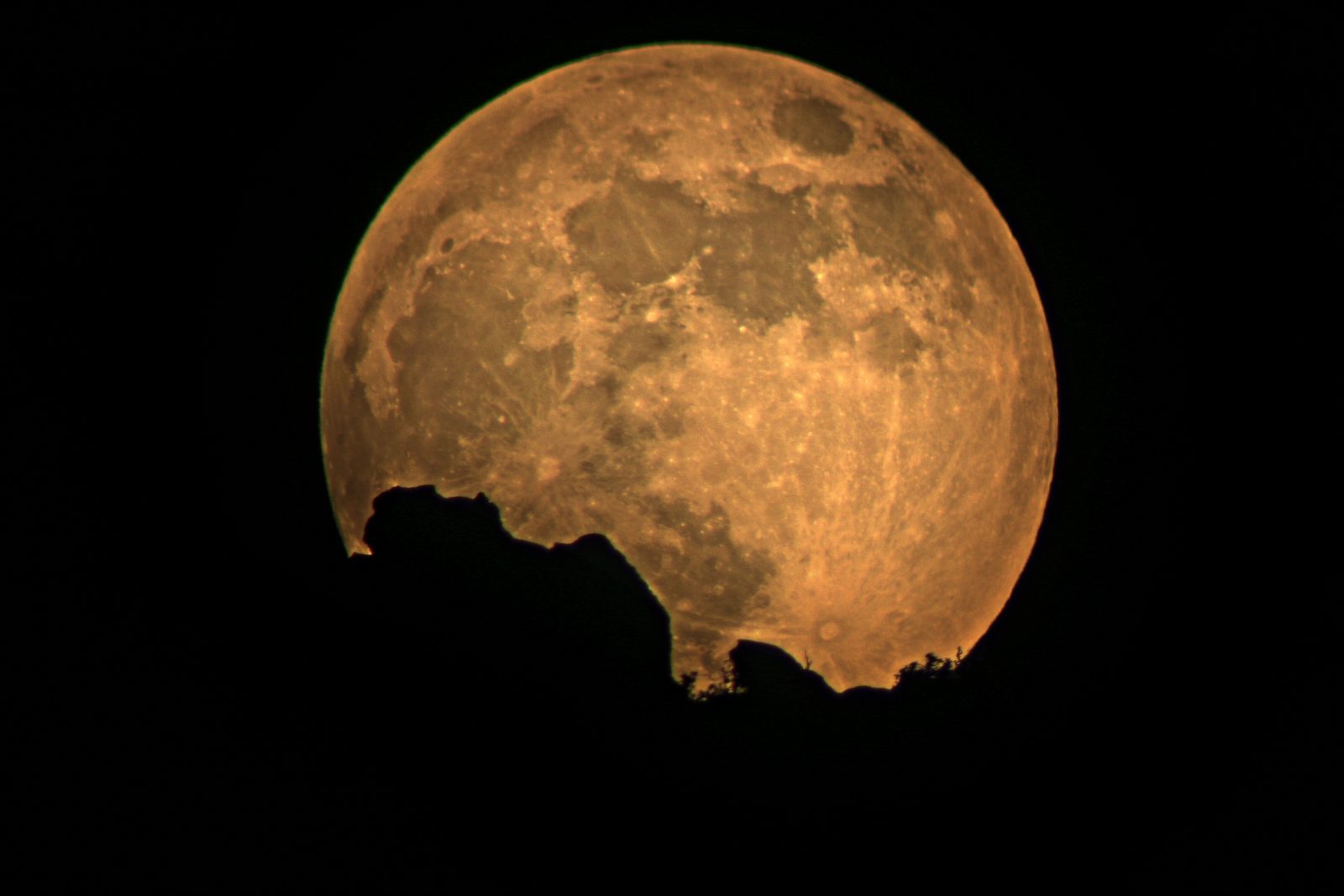
Then time it to the Moon. The Park Service puts it simply: the darkest nights are always the week leading up to the new Moon. And wait for real darkness, which starts about an hour and a half after sunset and ends an hour and a half before sunrise.
Two rules decide where you can be once it’s dark:
- The Zion Canyon Scenic Drive is shuttle-only in season, before and after the shuttles run. In 2026 the shuttle season runs May 17 to October 24, with the last shuttle up-canyon at 7pm through September 12 and 6pm after that, so a night up-canyon means biking or walking. The museum patio, the east side and Kolob stay open to your car all year.
- Big RVs can no longer drive through the tunnel to the east side. Since June 7, 2026, vehicles over 35 feet 9 inches long, 7 feet 10 inches wide, 11 feet 4 inches tall or 50,000 pounds may not drive the Zion–Mount Carmel Highway between Canyon Junction and the East Entrance.
Milky Way season in Zion
The Park Service’s own advice is August and September for the richest Milky Way. In June and July it stays light until after 10pm; by late summer you get more hours of real darkness with the galaxy still high. The catch is that those are monsoon months. Watch the afternoon forecast, keep a backup night, and head to the east side or up Kolob Terrace Road, where the horizon opens up and the band stretches from one side of the sky to the other.
Fall puts the Andromeda Galaxy overhead; winter brings Orion over snow on the east-side slickrock. If you’re here to photograph it, our Milky Way photography guide covers settings and planning.
Meteor showers over the canyon
The Perseids peak in mid-August, warm enough to lie out on a blanket for hours, with the monsoon as your gamble. The Geminids peak in mid-December, and they’re the better bet here: the richest shower of the year, in drier winter air. Either way, pick a wide-open spot like the Checkerboard Mesa pullout, lie back, and give it an hour. Our meteor shower calendar has the exact peak nights.
What to bring
- Layers. Zion’s day and night temperatures can differ by more than 30°F.
- Your own food and water. There’s nowhere in the park to buy food at night.
- A red light. White light costs everyone around you 20 to 30 minutes of night vision.
- An offline star map. Cell service in the park is unreliable, so download a stargazing app before you drive in; our app picks are all free.
- The fee, and the new one. $35 per car covers seven days. Since 2026, visitors 16 and older who aren’t U.S. residents also pay a $100 nonresident fee unless they hold an annual or America the Beautiful pass.
The bottom line
Zion is a dark-sky park you can reach from a hotel bed. Come the week before a new Moon, keep a spare night in monsoon season, and drive out to Checkerboard Mesa or up Kolob Terrace Road instead of staying on the canyon floor. Catch a free ranger talk if one is on, book the astronomer-led tour near Virgin if you want the telescope time, then lie back on warm sandstone and look up.
Frequently Asked Questions
Is Zion good for stargazing?
Yes. Zion has been an International Dark Sky Park since June 2021, and its gateway town, Springdale, became an International Dark Sky Community in 2023, so the sky stays dark right up to the edge of town. The Park Service says the darkest skies are on the east side of the park and along Kolob Terrace Road.
Where is the best place to stargaze in Zion?
For the darkest sky, the Checkerboard Mesa pullout on the east side or Kolob Terrace Road up to Lava Point (7,890 feet, usually open May through September). For the easiest access, the Zion Human History Museum patio, which you can drive to year-round, and the paved Pa'rus Trail from the visitor center. In Kolob Canyons, the Timber Creek parking lot.
Can you drive into Zion Canyon at night?
Not in shuttle season. From May 17 to October 24, 2026, private vehicles are barred from the Zion Canyon Scenic Drive at all hours, including before the shuttles start and after they stop. Private cars are allowed in the off-season, typically December through February. The museum patio, the east side and Kolob Terrace Road are open to your car all year.
When is the best time to stargaze in Zion?
Avoid July through September if you can, when monsoon thunderstorms can cloud out a night. Plan around the week before a new Moon and wait until about 90 minutes after sunset for full darkness. For the Milky Way the park recommends August and September, so a late-summer trip means keeping a backup night.
Does Zion have free ranger stargazing programs?
Yes, mostly in summer. Rangers give free night-sky talks with no registration: park at the Zion Nature Center and follow the red-light trail to the North Lawn. Programs go ahead under cloud but are canceled if it's raining or thunder is heard within 30 minutes of the start. Check the park's program calendar or the NPS app for dates.
How much does a Zion stargazing tour cost?
From about $20 for a one-hour telescope walk with hot chocolate on the east side, to a two-hour UTV tour near Hurricane, to about $170 per adult (the operator’s own rate) for a two-hour astronomer-led tour with telescopes near Virgin. Check current prices and cancellation windows at booking.
Rob founded Outer Space Trip and writes its operator cost guides, the Space Tourism Price Index, and the See Space Now gear guides. He has observed since a high-school observatory in the 1990s and still runs the 10-inch Meade LX200 he bought after college. How we pick and source ▸
Stargazing in Sedona
A certified Dark Sky Community with 275 clear nights a year — the best free red-rock viewpoints, when to go, the Milky Way season, and the astronomer-led tours worth booking.
Read →Guided Stargazing & Dark-Sky Tours
No telescope, no dark-sky research, no planning — a local guide sets up the gear and points out the sky. Real, bookable tours from $20.
Read →The Best National Parks for Stargazing
The certified dark-sky parks in the NPS’s own words — Big Bend’s lower-48-darkest sky, Bryce’s 100 astronomy nights a year, the Grand Canyon Star Party, and the tours worth booking.
Read →