How to Watch a Rocket Launch on the Space Coast
Where to watch a rocket launch on Florida's Space Coast: the best viewing spots, how to find the schedule, closest hotels, and photo tips.
In this guide
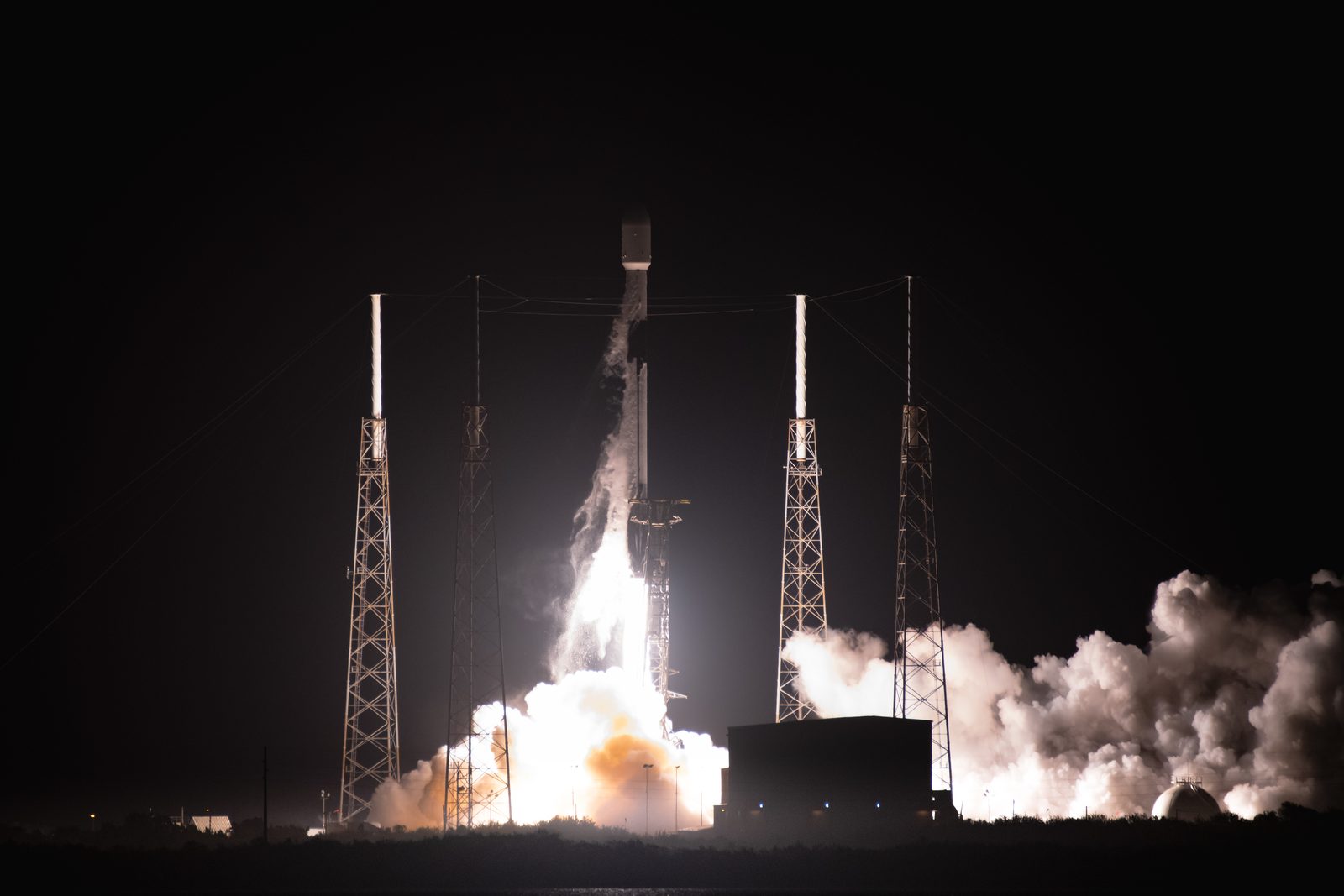
Florida’s Space Coast is now the busiest launch site on Earth, with rockets lifting off from Kennedy Space Center and the adjacent Cape Canaveral Space Force Station many times a month. Seeing one in person (the silent flash, the climbing pillar of fire, and then the deep crackling roar arriving seconds later) is something a video can’t convey. And the best part: you can do it for free. Here’s how to find a launch and exactly where to stand.
Outer Space Trip may earn a commission from some booking and gear links on this page; your price is the same. Launch dates slip constantly — always confirm the current schedule and any package details before you travel.
First: find a launch
The single most important rule of launch chasing: launches scrub and slip constantly, for weather, technical holds, or range conflicts. Never build an entire trip around one fixed date you can’t move. Check the schedule close to your dates and have a backup day. Reliable sources include the official Kennedy Space Center Visitor Complex launch schedule, the operators themselves (SpaceX and others post launch windows), and well-known launch-tracking sites and apps that aggregate the Eastern Range manifest. Aim to arrive at your viewing spot well before the window opens, since traffic builds fast for high-profile flights.
The best viewing spots
Where to go depends a little on which pad is flying (the major ones are Kennedy’s LC-39A and Cape Canaveral’s SLC-40), but these are the classic public choices:
- Titusville — Space View Park & Sand Point Park. Across the Indian River from the pads, this is the favorite free vantage: open water sightlines, a sense of community on launch night, and a clear view of the rocket from ignition. Arrive early for parking.
- Max Brewer Bridge / Parrish Park (Titusville). A slightly elevated view over the water, popular with photographers.
- Playalinda Beach (Canaveral National Seashore). One of the closest public spots to LC-39A — you’re practically across the water from the pad. It has limited capacity and gate hours, and often closes or fills for big launches, so have a backup.
- Jetty Park, Port Canaveral. A good southern option with a beach and views toward the Cape Canaveral pads; a small entry fee applies.
- Cocoa Beach. Farther south and a longer sightline, but an easy, relaxed beach choice if you’re staying there.
- Kennedy Space Center Visitor Complex launch packages. For some launches the Visitor Complex sells transportation and viewing packages that get you closer than the public causeways. These are paid, date-specific, and sell out for crewed flights — you can check launch-viewing packages on the official site.
How close can you actually get?
For safety, the public is kept several miles from the pad — the closest public viewing (places like Playalinda or the Visitor Complex packages) puts you a few miles away, which is plenty to see and feel a launch. Remember the sound is delayed: at a few miles, the roar and crackle reach you 15–30 seconds after you see the engines light. Night launches are especially dramatic, lighting up the whole sky.

What to bring
Because you’re watching from miles away, the one piece of gear that changes the experience is a pair of binoculars. To the naked eye, the rocket on the pad is a white sliver across the water; through 8× or 10× glass you can watch it stand there through the countdown, catch the strongback swinging back in the final minutes, and follow the vehicle downrange long after your eyes alone lose it. Any decent daytime pair works. My pick is the Celestron Nature DX 8x42: waterproof, easy to hold steady, and just as useful on the wildlife refuge next door. The Nikon Action 10x50 pulls in a bit more for similar money. Both double as stargazing glass once the sun goes down; our astronomy binoculars guide has the full rundown.
Beyond the optics, pack like you would for a long beach sit: folding chairs, water, sunscreen, and bug spray. The Titusville riverfront at dawn and dusk belongs to the mosquitoes. A battery pack keeps your phone alive through a hold, and for a night launch a red flashlight lets you find your gear without wrecking your night vision before the sky lights up.
Best for families
The Titusville riverfront parks are the easy family pick: free, restrooms nearby, room to spread out, and water between you and the rocket so there’s nothing to block the view. Bring chairs, snacks, bug spray, and patience for possible holds. Pairing a launch with a daytime visit to Kennedy Space Center makes for an unbeatable family space trip.
Photography tips
To photograph a launch: use a tripod and a remote or timer to avoid shake; for the classic glowing streak, shoot a long exposure (several seconds to minutes) starting at liftoff; for a crisp rocket-on-the-pad shot, a telephoto lens helps since you’re miles away. Manual focus set to infinity beats autofocus hunting in the dark. And a piece of advice every veteran repeats: watch at least one launch with your own eyes before you bury your face in a viewfinder — the first one is worth experiencing, not just capturing.
Where to stay
Titusville is closest to the prime free viewing and the most convenient base for a launch; Cocoa Beach and Cape Canaveral add a beach and more dining a short drive south. Because dates slip, a Space Coast hotel gives you a free fallback viewing spot if your launch moves a day. You can compare Space Coast hotels here.
Make a trip of it
Launches slip, and a scrub can hand you a free afternoon — so it’s worth having a backup plan. The Space Coast is more than the pads: the Banana River and Merritt Island wildlife refuge sit right next to the launch complexes, and dolphin and manatee boat cruises out of Cocoa Beach and Port Canaveral are an easy, cheap way to fill a day (and a hit with kids waiting on a launch). You can browse Cape Canaveral tours and boat cruises here.
The bottom line
A rocket launch is the rare bucket-list experience that’s free, family-friendly, and available most months of the year. Find a launch, pick a riverfront spot in Titusville (or splurge on a closer Visitor Complex package), arrive early, and be ready to come back tomorrow if it scrubs. It is, hands down, one of the most thrilling things you can watch on this planet — and a perfect companion to a day at Kennedy Space Center.
Frequently Asked Questions
Where is the best place to watch a rocket launch at Cape Canaveral?
For free viewing, the Titusville riverfront (Space View Park and Sand Point Park) is the classic favorite, with open sightlines across the Indian River to the pads. Playalinda Beach is one of the closest public spots but has limited capacity. For the closest access, the Kennedy Space Center Visitor Complex sells paid launch-viewing packages that get you nearer than the public causeways.
Can you watch a rocket launch for free?
Yes. Many of the best spots, including the Titusville parks, the Max Brewer Bridge area, and Cocoa Beach, are free public viewing. You only pay if you choose a closer option like Jetty Park (a small entry fee) or a Kennedy Space Center Visitor Complex viewing package, which gets you nearer to the pad.
How close can you get to a rocket launch?
For safety the public is kept several miles from the pad. The closest public options, such as Playalinda Beach or the Visitor Complex's paid packages, put you a few miles away — close enough to clearly see liftoff and feel the rumble. Note the sound is delayed: the roar reaches you roughly 15 to 30 seconds after you see the engines ignite.
How do I know when a rocket is launching?
Check the schedule close to your travel dates using the official Kennedy Space Center Visitor Complex launch calendar, the operators' own announcements (SpaceX and others publish launch windows), and popular launch-tracking sites and apps. Crucially, launches frequently scrub or slip for weather and technical reasons, so always have a backup day and reconfirm before heading out.
What should you bring to watch a rocket launch?
Binoculars make the biggest difference: from the public viewing sites you're several miles from the pad, and an 8x42 or 10x50 pair lets you watch the rocket through the countdown and follow it far downrange. Beyond that, pack folding chairs, water, sun protection, and bug spray for the riverfront, plus a battery pack for your phone — holds and scrubs can stretch a viewing into hours.
Can you see a rocket launch from Orlando or Disney?
Sometimes — a bright daytime or night launch can occasionally be glimpsed from the Orlando area about 45 miles inland, but it's distant and easily blocked by clouds or buildings. To actually experience a launch, it's well worth the roughly 45-minute drive east to the Space Coast and a proper viewing spot like the Titusville riverfront.
Rob founded Outer Space Trip and writes its operator cost guides, the Space Tourism Price Index, and the See Space Now gear guides. He has observed since a high-school observatory in the 1990s and still runs the 10-inch Meade LX200 he bought after college. How we pick and source ▸
Kennedy Space Center Visitor Guide
Tickets, the must-see exhibits, bus tours, launch viewing, how many days you need, and where to stay.
Read →Where to See a Real Space Shuttle
All four flown-and-retired orbiters, where each one lives now, and the best NASA visitor centers — with tickets, what you’ll see, and which is worth the trip.
Read →Where to Watch a Rocket Launch: Every U.S. Site
Cape Canaveral isn’t the only option — Vandenberg, Starbase, and Wallops Island compared, with the best free spot at each.
Read →How to Watch a Rocket Launch in China
Thousands watch Long March rockets from the free beaches at Wenchang, Hainan — about 3 km from the pads, visa-free for most Western passports. The spots, the schedule problem, and what launch night is like.
Read →