NexStar 4SE vs. 8SE: Which Should You Buy?
Celestron NexStar 4SE vs. 8SE: a 4-inch Maksutov against an 8-inch Schmidt-Cassegrain, $850 apart. The 8SE gathers four times the light; the 4SE is the one you'll carry out.
In this guide
Put the two boxes side by side and the question answers itself on paper: the Celestron NexStar 8SE has twice the aperture of the NexStar 4SE, so it gathers about four times the light. Paper is not where telescopes get used, though. They get used on the nights you can be bothered to carry one outside, and that is where the little orange Maksutov fights back.
The short version: the 8SE is the better telescope, and if the budget and your back both say yes, it’s the one I’d buy. The 4SE is the better habit: a sealed, low-fuss Moon-and-planets scope at about $850 less, light enough to grab on a weeknight. I’ve spent more eyepiece hours behind a Schmidt-Cassegrain than any other design (my own is a 10-inch), and the trade between aperture and grab-and-go is the oldest argument in this hobby.
Outer Space Trip may earn a commission from links on this page; your price is the same. How we choose. Prices are approximate — the links show current pricing.
Short answer: four times the light, $850 apart
- Buy the NexStar 4SE (~$649 on sale, $749 list) if the Moon, the planets and bright double stars are what you want, you’ll be carrying it out alone, or you want a go-to scope that never needs collimating.
- Buy the NexStar 8SE (~$1,699 list) if galaxies, nebulae and star clusters are on the list too. Four times the light is the difference between finding a galaxy and seeing it.
Two different telescopes in one family
The 6SE and 8SE are the same design at two sizes. These two are not. The 8SE is a Schmidt-Cassegrain: a thin corrector plate up front and a mirror at the back, working at f/10. The 4SE is a Maksutov-Cassegrain: a thick, deeply curved meniscus lens up front folds the light path even tighter, working at f/13. In practice a Maksutov holds its alignment for years, so collimation is close to a non-issue, and its long focal ratio makes it a natural high-magnification planetary scope. The cost is aperture. Maksutovs get heavy and expensive quickly as they grow, and Celestron’s SE line switches to Schmidt-Cassegrains from five inches up.
What they share is the SE way of working: a computerized single fork-arm mount on a steel tripod, a StarPointer red-dot finder, a 25 mm eyepiece, and eight AA batteries or a 12 V supply. Align on a few bright stars and the mount finds and tracks whatever you pick from its catalog.
What the $850 buys
| NexStar 4SE | NexStar 8SE | |
|---|---|---|
| Price at Celestron (Nov 2026) | $649 sale / $749 list | $1,499 sale / $1,699 list |
| Optical design | Maksutov-Cassegrain | Schmidt-Cassegrain |
| Aperture | 102 mm (4″) | 203.2 mm (8″) |
| Light gathering | — | About 4× the 4SE |
| Focal length | 1325 mm, f/13 | 2032 mm, f/10 |
| Included 25 mm eyepiece gives | 53× | 81× |
| Highest useful magnification | 241× | 480× |
| Faintest star (Celestron’s figure) | Magnitude 12.5 | Magnitude 14 |
| Total kit weight | 23 lb | 32 lb |
Specs and prices from Celestron’s own product pages (items 11049 and 11069), read November 9, 2026. Amazon showed the same $649 and $1,499 that day.
Why you’d buy the 4SE: it actually goes outside
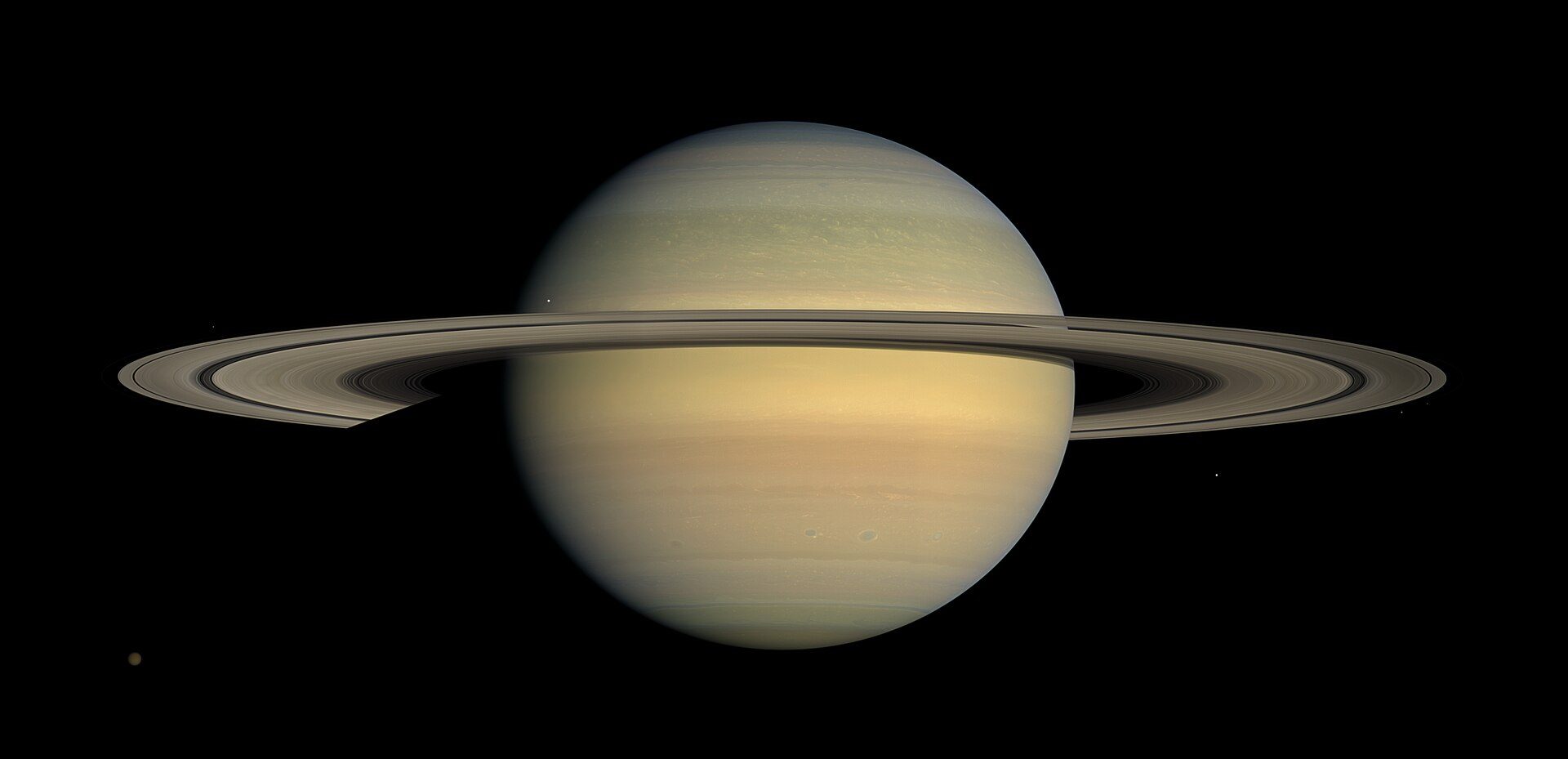
Twenty-three pounds for the whole kit means one trip from the closet, and the 4-inch tube comes off the arm in a minute and rides on a car seat. Small optics also cool to the night air quickly, so the 4SE is sharp soon after you set it down. On the Moon it’s a joy: the 25 mm eyepiece frames roughly a degree of sky, about two full Moons wide, and pushing toward 150× walks you down crater walls along the terminator. Saturn’s rings, Jupiter’s cloud belts and its four bright moons all show clearly. And there’s no collimation to learn: the Maksutov design all but guarantees the optics stay put.
Where it stops: four inches of glass runs out of light on faint galaxies, and at f/13 it can’t frame big objects like the Pleiades or the full sweep of the Andromeda Galaxy. Think of it as a superb planetary and lunar scope that also shows the bright showpieces, not a deep-sky machine.
Why you’d buy the 8SE: aperture is the argument
Four times the light changes what’s worth pointing at. Globular clusters start resolving into separate stars, the brighter galaxies stop being rumors, and on steady nights the planets hold detail at magnifications the 4SE can’t reach. It’s why the 8SE is the buy-once pick in our beginner guide: people rarely upgrade away from an 8-inch SCT.
What it costs beyond the sticker: nine more pounds and a bulkier tube, a longer wait for the bigger mirror to cool, a corrector plate that dews over on humid nights (budget for a dew shield), and an occasional collimation touch-up that a Maksutov never asks for. None of that is a flaw. It’s what eight inches of aperture weighs.
The one in the middle
If the gap feels too wide, the NexStar 6SE sits between them on the same Schmidt-Cassegrain design as the 8SE. It read $1,039 on Amazon on November 9, gathering a little over twice the light of the 4SE for about $390 more. Our 6SE vs. 8SE comparison walks that step, and it’s the one I’d point most people to when the 4SE feels small and the 8SE feels like a lot of telescope to carry.
The Dobsonian question
Before either one: about $700–750 buys the same 8 inches of aperture as a manual Dobsonian, near the 4SE’s price and with the 8SE’s light. What you give up is the computer. The NexStar premium buys finding and tracking, which earns its keep under light-polluted skies, in short weeknight windows, and with kids at the eyepiece. If none of that is you, our SCT-vs-Dobsonian comparison lays out the trade.
Where to buy
Both drift with sales. On November 9 both were marked down at Celestron and Amazon alike, the 8SE to $1,499 and the 4SE to $649, and Amazon’s 4SE listing showed only limited stock, so read the listing you land on.
- Celestron NexStar 4SE (~$649 on sale, $749 list) — Check price ▸
- Celestron NexStar 8SE (~$1,699 list) — Check price ▸
Still weighing the whole field? The telescope finder matches you to a first scope in four questions, and our Saturn guide covers what either one will show you first.
Frequently Asked Questions
Is the NexStar 8SE worth $850 more than the 4SE?
If you want galaxies, nebulae and star clusters as well as the Moon and planets, yes: the 8SE's 8-inch aperture gathers about four times the light of the 4SE's 4 inches. If the Moon, planets and double stars are the goal, or the scope has to be light enough to carry out alone on a weeknight, the 4SE at 23 pounds for the full kit is the better buy and the one more likely to get used.
What is the difference between the NexStar 4SE and 8SE optics?
The 4SE is a 102 mm Maksutov-Cassegrain at f/13 (1325 mm focal length); the 8SE is a 203.2 mm Schmidt-Cassegrain at f/10 (2032 mm). The Maksutov holds its collimation essentially permanently and suits high-power views of the Moon and planets. The Schmidt-Cassegrain offers twice the aperture, which means more light, finer detail and a higher useful magnification (480x against 241x, by Celestron's figures).
Can you see galaxies with a NexStar 4SE?
The brightest ones, as soft glows, from a dark site: the Andromeda Galaxy's core and a few bright Messier galaxies. Four inches of aperture runs out of light on fainter galaxies, especially under suburban skies. The 4SE's strengths are the Moon, the planets, double stars and bright clusters.
Is the NexStar 6SE a better middle choice?
For many buyers, yes. The 6SE uses the same Schmidt-Cassegrain design as the 8SE with a 6-inch aperture, gathering a little over twice the light of the 4SE. It read $1,039 on Amazon on November 9, 2026, when the 4SE was on sale for $649 and the 8SE for $1,499.
NexStar 6SE vs. 8SE
Celestron’s two classic orange tubes — same mount, same buttons, $500 apart. Where that money goes, and which one most people should buy.
Read →NexStar Evolution 8 vs. 8SE
The exact same 8-inch optics on two mounts. One runs on AA batteries for about $1,650; the other has a 10-hour battery, WiFi and a steadier mount for about $750 more.
Read →Schmidt-Cassegrain vs. Dobsonian
Same 8-inch aperture, two very different scopes — a ~$700 Dobsonian against a ~$1,700 go-to SCT. What the premium buys, and which one I’d hand most first-time buyers.
Read →Types of Telescopes Explained
Refractor, reflector, Dobsonian, or catadioptric — what each design shows you, what it costs, and which one fits how you’ll observe.
Read →Telescope Finder
Answer four quick questions and get matched to the right first telescope — with a runner-up and a budget pick.
Read →How to See Saturn’s Rings
Saturn’s rings went edge-on in 2025 and are tilting back — the October 4, 2026 opposition is the best viewing night in years. Here’s what you’ll see and which telescope shows the rings on night one.
Read →