CAS Space Cost 2026: China’s ~$280K–$420K Suborbital Ticket
CAS Space, the Guangzhou rocket company incubated by the Chinese Academy of Sciences, has priced a seven-seat suborbital flight at 2 to 3 million yuan, about $280,000 to $420,000. Its Li Hong-2 capsule flies uncrewed in 2027. What is real, what is a plan, and why you cannot book.
In this guide
Of the three Chinese companies promising a ride past the Kármán line, CAS Space is the one that already launches rockets for a living. Its Kinetica-1 has flown sixteen times since 2022 and failed once; its liquid fueled Kinetica-2 reached orbit on its first try in March 2026 and again in November. That track record is the reason to take its tourism plan more seriously than the others, and the reason to notice how carefully the company words it. The ticket is priced at 2 to 3 million yuan, roughly $280,000 to $420,000. Nobody can buy one, and the company no longer says when anyone will.
CAS Space was founded in Beijing in December 2018 as a spin out incubated by the Institute of Mechanics of the Chinese Academy of Sciences, and it is headquartered today in Guangzhou’s Huangpu district with a rocket factory in Nansha and an engine test center in Conghua. The Academy, through an institute owned company, is its second largest shareholder at about a fifth of the stock; the founder and chairman controls the largest block of votes, and no one holds a majority. It filed for a Shanghai STAR Market listing in March 2026 at a valuation of about 15 billion yuan.
A real rocket company with a real launch record, selling a flight it has quietly stopped putting a passenger date on.
- Price per seat
- ~$280K–$420K
- Flight length
- Not yet disclosed
- Altitude
- ~100 km (target)
- Weightless
- A few min (target)
- Training
- Not yet disclosed
- Launch site
- China
CAS Space, incubated by the Chinese Academy of Sciences (about a fifth owner) and already launching Kinetica-1 and -2, has unveiled the seven-passenger reusable Li Hong-2 capsule: uncrewed debut now Q1 2027; the 2028 passenger target went unrepeated in 2026. Fare 2–3 million yuan (~$280,000–$420,000); no tickets on sale.
How much does a CAS Space ticket cost?
The price comes from the company’s own executives rather than a sales page. In May 2024, announcing the tourism vehicle’s schedule, CAS Space told Reuters and Chinese state television that tickets would cost 2 million to 3 million yuan per person; Reuters converted the top of that range to about $415,000 at the time, and our $280,000 to $420,000 band is the same figure at a rounded rate. An earlier 2022 interview had floated $280,000 to $400,000, which is where our lower bound comes from. One executive has said fares could fall to the order of 100,000 yuan, about $14,000, by around 2030 once the vehicle is flying routinely; treat that as an aspiration.
There is no deposit, no waitlist and no ticket. Neither the Chinese nor the English site lists a fare or a reservation page; the only “reservation” wording on the site is for science payload slots on the test flights. Reports that lump CAS Space in with a 50,000 yuan deposit and a sold out livestream are describing Deep Blue Aerospace, not this company.
What the flight is supposed to be
The vehicle is called Li Hong-2, unveiled in Guangzhou on September 9, 2025 as what the company described as China’s first fully reusable vehicle built for space tourism. The official specifications, from the product page:
- Seven passengers, or three tonnes of cargo, in a capsule on top of an 18-meter, 3.35-meter-wide single stage rocket weighing 60 tonnes at liftoff.
- At least 100 km of altitude, crossing the Kármán line, with at least 180 seconds of weightlessness; state media describe about four minutes.
- Reusable at least 30 times, with the rocket landing vertically and the cabin coming down under parachutes.
- A life support system and a pusher type escape system, both listed on the product page; the four panoramic windows that appeared in the 2024 announcement are not.
The profile is the New Shepard one: straight up, cabin separates, a few minutes of float, parachutes. The whole flight was described in 2024 as about ten minutes. A 2022 cooperation agreement with China Tourism Group’s travel arm covers suborbital tourism services and a space themed experience park; we found nothing newer on that partnership.
Has CAS Space flown it?
A smaller sibling, yes. On January 12, 2026, the company flew Li Hong-1 from Jiuquan to an apogee of about 120 km, recovered the payload capsule by parachute and landed the booster stage within 100 meters of its target, carrying science payloads rather than people. The company’s own release called it groundwork for space tourism, and it is the only suborbital and return flight any of the three Chinese tourism contenders has completed.
Li Hong-2, the passenger class vehicle, has not flown. The schedule has moved every time it has been restated:
- 2022: an uncrewed verification flight in 2023, then service.
- May 2024: first flight in 2027, passengers from 2028.
- July 2026: first flight and a 100 km recovery test “this year.”
- October 30, 2026: first flight in the first quarter of 2027, carrying pharmaceutical, materials and robotics payloads. No crewed date was given, and the company homepage now says the same.
The 2028 passenger target still circulates in Chinese press from January 2026, but no 2026 statement from the company repeats it. Our card keeps “around 2028” because it has not been withdrawn; the honest reading is uncrewed in 2027 and passengers after that, when the vehicle has proven itself.
Why the launch record matters
Every other suborbital tourism startup is asking you to trust a rocket that has not reached orbit. CAS Space’s solid fuel Kinetica-1 debuted in July 2022 and has now flown sixteen missions with one failure, a December 2024 third stage attitude loss that ended in a commanded self destruct; it had delivered 119 satellites by mid November 2026 and holds orders into the second half of 2027. The liquid fueled Kinetica-2 reached orbit on its maiden flight on March 30, 2026 carrying a prototype cargo spacecraft, and flew again on November 3. A company that launches most months and lands a stage within 100 meters is a different proposition from one with a rendering and a Taobao listing. It is also, so far, a satellite company, and its revenue, losses and IPO filing all say so.
CAS Space vs Deep Blue and InterstellOr
- CAS Space: the only one with an orbital launch business and a completed suborbital round trip (uncrewed, 120 km). Seven seats, $280,000 to $420,000, no tickets, uncrewed debut Q1 2027.
- Deep Blue Aerospace: the only one that has sold seats, two of them, at $210,000 list in 2024. Its Nebula-1 rocket has flown a landing test but not reached orbit, and the company said in January 2026 it has no plan to sell more.
- InterstellOr: the most expensive at $430,000 and the earliest stage: a capsule with no rocket of its own, 20 to 30 reservations claimed, no flight before 2027 at best, crewed flight targeted around 2028.
Our suborbital flight guide sets all three beside Blue Origin and Virgin Galactic, and the price index carries their status, checked weekly.
While you wait: the rockets you can watch now
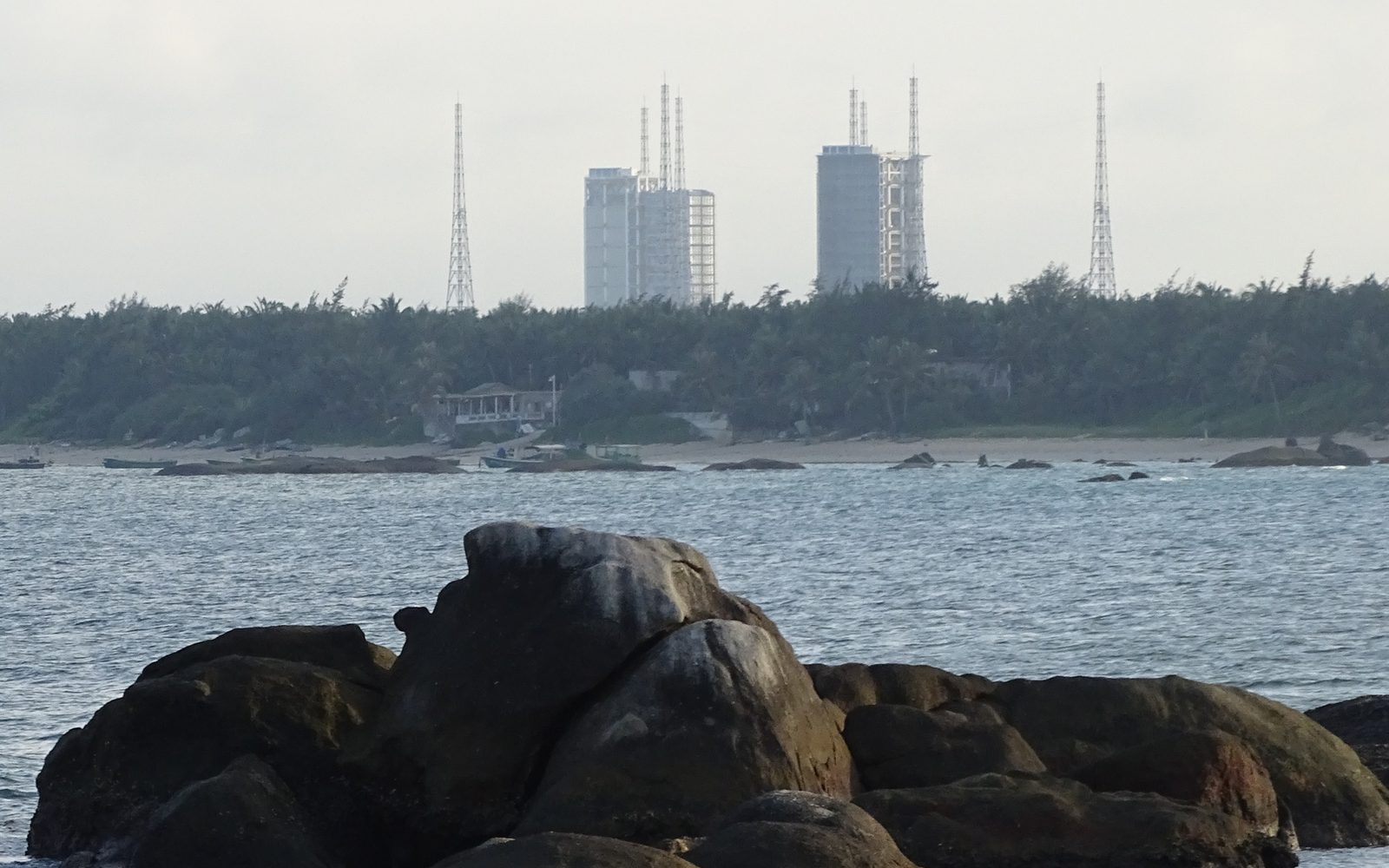
CAS Space’s own launches go up from Jiuquan in the Gobi and from a ship off the Shandong coast, neither of which welcomes spectators. The Chinese launches a visitor can see are the Long March flights from Wenchang on Hainan island; our guide to watching a launch in China covers the beaches and the timing. And the view from 100 km, a black sky over a curved horizon, is a cheaper thing to chase than it sounds: a dark sky trip gives you the sky half of it this year.
Frequently Asked Questions
How much will a CAS Space suborbital ticket cost?
The company has said 2 million to 3 million yuan per person, roughly $280,000 to $420,000, in statements to Reuters and Chinese state television in May 2024. No tickets are on sale, no deposit has been announced and the company's websites carry no fare or booking page. An executive has suggested fares could fall to the order of 100,000 yuan by around 2030.
Has CAS Space flown anyone to space?
No. Its passenger vehicle, Li Hong-2, has not flown. A smaller test vehicle, Li Hong-1, flew uncrewed from Jiuquan to about 120 km on January 12, 2026, recovered its payload capsule by parachute and landed its booster within 100 meters of the target. CAS Space does launch satellites regularly on its Kinetica-1 and Kinetica-2 rockets.
When will CAS Space start space tourism flights?
The company's latest statement, from October 30, 2026, puts the first uncrewed Li Hong-2 flight in the first quarter of 2027, carrying science payloads. Passenger flights were previously targeted for 2028, but no 2026 statement from the company repeats that date. Earlier plans had the vehicle flying in 2023 and then in 2026.
What is the CAS Space Li Hong-2 spacecraft?
A single stage reusable rocket about 18 meters tall and 3.35 meters wide, 60 tonnes at liftoff, with a cabin for seven passengers or three tonnes of cargo. It is designed to cross 100 km, give at least three minutes of weightlessness, bring the cabin down by parachute and land the rocket vertically for reuse at least 30 times. It was unveiled in Guangzhou on September 9, 2025.
Is CAS Space owned by the Chinese government?
Partly. The company was incubated by the Chinese Academy of Sciences' Institute of Mechanics, and an institute owned company is its second largest shareholder with about 20 percent. Its founder and chairman controls the largest block of voting rights, and no single shareholder holds a majority. It applied for a Shanghai STAR Market listing in March 2026.
Rob founded Outer Space Trip and writes its operator cost guides, the Space Tourism Price Index, and the See Space Now gear guides. He has observed since a high-school observatory in the 1990s and still runs the 10-inch Meade LX200 he bought after college. How we pick and source ▸
Suborbital Spaceflight: Cost, Altitude & Who’s Flying
New Shepard vs Virgin Galactic Delta — how high you go, what a seat costs, and whether you can book one right now.
Read →Deep Blue Aerospace: The ~$210,000 Taobao Ticket
Two suborbital seats sold on a livestream in 2024, a rocket that has not reached orbit, and no way to book today.
Read →InterstellOr: The ~$430,000 Seat With No Rocket
A three-year-old Beijing startup preselling suborbital seats for 2028 with 10 percent down, a passenger list, and nothing flown.
Read →How Much Does a Blue Origin Flight Cost?
New Shepard suborbital pricing, what’s included, and how to book.
Read →The Space Tourism Price Index
Every operator’s current and historical pricing in one reference table.
Read →