Kennedy Space Center: A Complete Visitor’s Guide
How to visit Kennedy Space Center: tickets, the must-see exhibits, bus tours, launch viewing, how many days you need, and where to stay nearby.
In this guide
You don’t need a $750,000 ticket to stand a few feet from a flown spaceship, watch a rocket climb off the pad, or shake hands with someone who has walked in space. The Kennedy Space Center Visitor Complex on Florida’s Space Coast is the most accessible “space tourism” experience there is: an actual working spaceport you can visit for the price of a theme-park ticket. This is how to do it right: what to book, what to skip, how long to stay, and how to time a visit around a real launch.
Outer Space Trip may earn a commission from some booking and gear links on this page; your price is the same. Ticket prices and tour availability change. Always confirm details on the official Kennedy Space Center site before you book.
What Kennedy Space Center actually is
Two things share the name. Kennedy Space Center is NASA’s active launch site on Merritt Island, where crews and cargo still fly to orbit from historic Launch Complex 39. The Kennedy Space Center Visitor Complex is the public attraction next door: museums, real flown hardware, an IMAX theater, astronaut meet-and-greets, and bus tours that take you out toward the working spaceport. When people say they’re “going to Kennedy Space Center,” the Visitor Complex is what they mean.
It sits about 45 minutes east of Orlando and roughly 30 minutes from Cocoa Beach, which makes it an easy day trip from a Florida vacation. Unlike a national park, it’s run as a self-funded attraction (operated for NASA by a private concessioner), so admission is comparable to a major theme park. And, like a theme park, it rewards a plan.
Tickets: what they cost and what’s included
A standard single-day admission runs in the neighborhood of $75 for adults and a bit less for children (roughly ages 3–11), plus tax. That ticket is more all-inclusive than most people expect: it covers nearly every exhibit, the IMAX films, the daily astronaut Q&A, and, importantly, the bus tour out to the Apollo/Saturn V Center, which is the single best thing on the property. Multi-day tickets and Florida-resident options exist and are worth it if you want a relaxed two-day pace.
Because dynamic pricing and seasonal promotions are common, buy ahead rather than at the gate, and compare the official site against the major experience marketplaces. You can buy tickets on the official Kennedy Space Center site, or book through GetYourGuide: the Visitor Complex day ticket (from ~$83, the most-reviewed listing at over 6,000 reviews), the ticket bundled with the Explore bus tour (from ~$110), or, if you are staying in Orlando without a car, a day trip with round-trip transport (from ~$89, about 10 hours). A few add-ons are sold separately (the Astronaut Training Experience, Dine With an Astronaut, and special-interest bus tours) which we cover below.
Pick your day at Kennedy:
The must-see exhibits
If you only have one day, prioritize these, roughly in this order:

- Space Shuttle Atlantis. The real orbiter, not a replica, suspended at an angle with its payload bay open, as if in flight, after a moving reveal. It flew 33 missions. This is the emotional centerpiece of the complex.
- Apollo/Saturn V Center. Reached by the included bus tour, this hangar holds an actual Saturn V, one of only three left on Earth, laid out on its side, all 363 feet of it. The Firing Room show recreates an Apollo launch from the original consoles. Don’t skip the bus; budget a couple of hours here.
- Gateway: The Deep Space Launch Complex. The newest pavilion, focused on what’s flying now and next: real flown spacecraft, the commercial-spaceflight era, and Moon-and-Mars-bound hardware.
- Rocket Garden. A walk-through forest of Mercury-, Gemini-, and Apollo-era rockets standing upright against the sky — the classic photo spot.
- Heroes & Legends and the U.S. Astronaut Hall of Fame. The story of the early astronaut corps, near the entrance, a good first or last stop.
- Astronaut Encounter. A daily live Q&A with a veteran astronaut. Showtimes are posted at the gate; it’s included and worth planning around.
Special tours and add-on experiences
Beyond standard admission, several upgrades turn a visit into something more memorable:
- Dine With an Astronaut. A buffet meal and intimate talk with a flown astronaut, the most popular add-on and a highlight for families. It sells out; book ahead. You can check Dine With an Astronaut on the official site.
- Astronaut Training Experience (ATX). A half-day of simulators: a microgravity wall, a spacewalk in VR, a Mars-base scenario, and a launch-and-land simulation. The best choice for older kids and serious enthusiasts who want to do, not just look.
- Special-interest bus tours. Periodically offered upgrades take you deeper into the working spaceport or out to historic Cape Canaveral pads where the Mercury and Gemini missions launched. Availability shifts with NASA operations, so check what’s running on your dates.
For first-timers, the one upgrade we’d single out is Dine With an Astronaut. The rest of the headline experiences are already included in admission.
Watching a real rocket launch
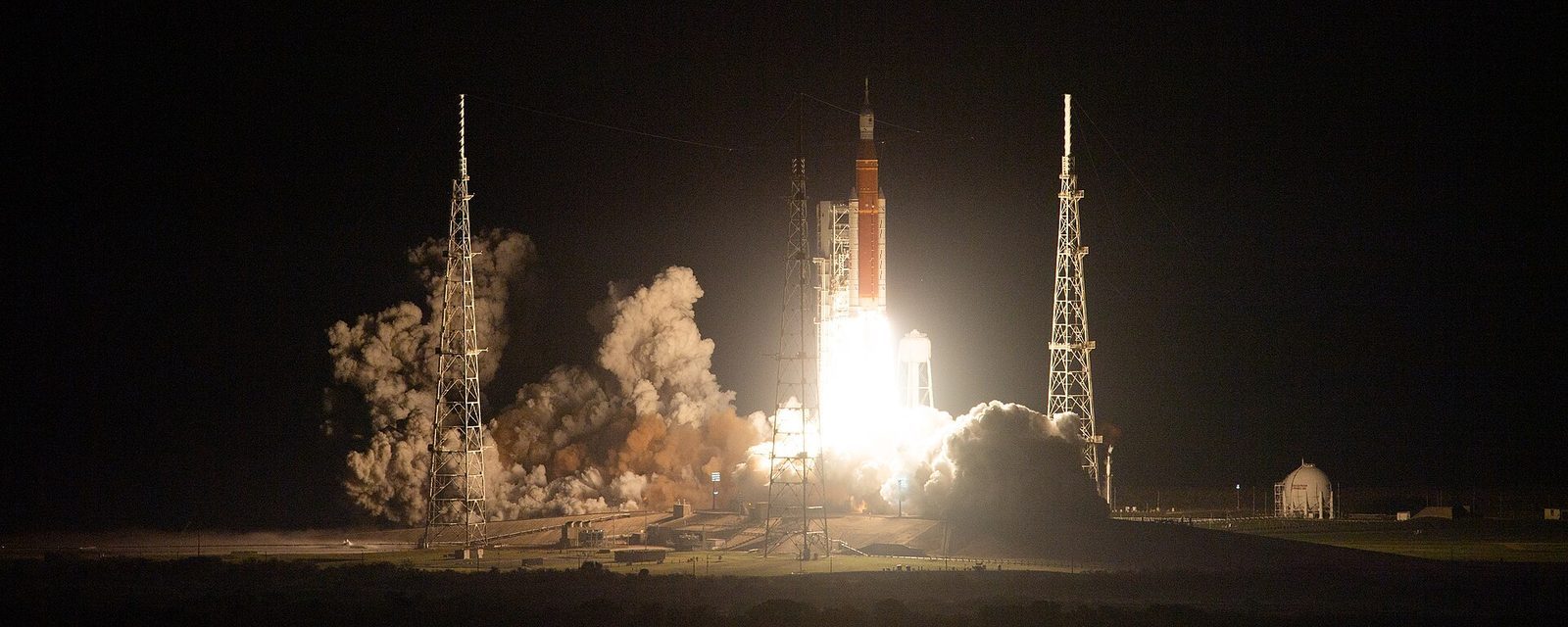
The Space Coast is now one of the busiest launch sites on Earth, with SpaceX, NASA, and others flying frequently from Kennedy and the adjacent Cape Canaveral station. If your visit lines up with a launch, the Visitor Complex sells launch transportation and viewing packages that get you closer than the public causeways — sometimes to viewing areas only a few miles from the pad. These are separate, date-specific tickets that sell out fast for high-profile crewed flights. You can check launch-viewing packages on the official site.

Two realities to plan around: launches scrub and slip constantly for weather and technical holds, so never build an entire trip around a single date you can’t move. And if you can’t get a package, free public viewing is available from spots like the Titusville riverfront and along the causeways. We keep a fuller breakdown of free viewing sites in our companion launch-viewing guide.
How many days do you need?
One full day (arriving at opening, around 9 a.m.) is enough to hit Atlantis, the Saturn V via the bus tour, the Rocket Garden, an astronaut Q&A, and one IMAX film, if you move with purpose and don’t linger over every placard. Two days is the relaxed, do-everything pace: it lets you add the ATX, take an unhurried bus tour, catch multiple shows, and absorb the museums without watching the clock. For most space-curious families, one well-planned day is plenty; for serious enthusiasts, two days is the sweet spot.
Best time to visit and what to bring
Florida weekdays in fall, winter, and early spring are the sweet spot — mild temperatures and thinner crowds. Summer brings heat, humidity, and near-daily afternoon thunderstorms, plus the biggest crowds. Whenever you go, arrive at opening and ride the bus to the Apollo/Saturn V Center early, before the lines build. Much of the complex is outdoors, so bring sun protection, water, and comfortable shoes; the property is large and you’ll walk a lot.
One more thing worth a spot in the bag: a compact pair of binoculars. The bus route to the Apollo/Saturn V Center crosses the Merritt Island wildlife refuge (bald eagle nests and gator-lined canals roll past the windows), and if your dates line up with a launch, glass turns a distant white sliver on the pad into a rocket you can actually watch. A do-everything pair like the Celestron Nature DX 8x42 covers the tour, the launch, and the stars over the beach that night; more options in our astronomy binoculars guide.
Where to stay
Three sensible bases, depending on your trip:
- Titusville: the closest town (about 15 minutes), with budget-friendly chain hotels and the best free launch-viewing along the Indian River. Convenient and cheap, if light on nightlife.
- Cocoa Beach / Cape Canaveral: about 30 minutes south, a classic surf town with beachfront hotels; the better pick if you want to pair space with sand.
- Orlando: if you’re already there for the theme parks, Kennedy works perfectly as a 45-minute day trip without changing hotels.
You can compare Space Coast hotels here. If you’re chasing a launch, staying in Titusville or Cocoa Beach gives you a backup free viewing spot if the date slips.
Is it worth it?
For anyone with even a flicker of interest in space, yes — emphatically. Standing under a real Saturn V or beside the orbiter that flew 33 missions does something a screen never will, and at theme-park prices it’s one of the best-value attractions in Florida. Go in with a plan, arrive early, ride the bus first, and, if the timing is kind, try to catch a launch. It is, for the price of a day ticket, the closest most of us will get to going to space ourselves.
Dreaming bigger than a visit? See what an actual flight is like in our guide to what it feels like to go to space, or start exploring tonight with stargazing for beginners.
Frequently Asked Questions
How much are Kennedy Space Center tickets?
A standard single-day adult admission is around $75 plus tax, with children (roughly ages 3 to 11) a little less. That price includes nearly all exhibits, the IMAX films, the daily astronaut Q&A, and the bus tour to the Apollo/Saturn V Center. Add-ons like Dine With an Astronaut and the Astronaut Training Experience cost extra. Pricing is dynamic and changes seasonally, so confirm current rates on the official site before you book.
How many days do you need at Kennedy Space Center?
One full day, arriving at opening, is enough to see the highlights: Space Shuttle Atlantis, the Saturn V via the included bus tour, the Rocket Garden, an astronaut Q&A, and an IMAX film. Two days gives a relaxed pace and time for add-ons like the Astronaut Training Experience. Most families are happy with one well-planned day; serious enthusiasts prefer two.
Can you watch a rocket launch from Kennedy Space Center?
Yes. When a launch is scheduled during your visit, the Visitor Complex sells launch transportation and viewing packages that get you closer than public areas, sometimes within a few miles of the pad. These are date-specific and sell out quickly for crewed flights. Launches frequently scrub or slip for weather and technical holds, so don't build a trip around a single fixed date. Free public viewing is also available from spots like Titusville and the causeways.
How far is Kennedy Space Center from Orlando?
About 45 minutes by car to the east, which makes it an easy day trip from Orlando's theme parks without changing hotels. Cocoa Beach is roughly 30 minutes south, and Titusville, the closest town and a prime free launch-viewing spot, is about 15 minutes away.
What is the must-see exhibit at Kennedy Space Center?
Space Shuttle Atlantis is the emotional centerpiece: the real orbiter, displayed at an angle with its payload bay open after a dramatic reveal. A close second is the Apollo/Saturn V Center, reached by the included bus tour, which houses an actual 363-foot Saturn V rocket. Plan to ride the bus early to beat the crowds.
Rob founded Outer Space Trip and writes its operator cost guides, the Space Tourism Price Index, and the See Space Now gear guides. He has observed since a high-school observatory in the 1990s and still runs the 10-inch Meade LX200 he bought after college. How we pick and source ▸
Where to See a Real Space Shuttle
All four flown-and-retired orbiters, where each one lives now, and the best NASA visitor centers — with tickets, what you’ll see, and which is worth the trip.
Read →How to Watch a Rocket Launch
The best places to watch a launch on Florida’s Space Coast, how to find the schedule, closest hotels, and photo tips.
Read →Where to Watch a Rocket Launch: Every U.S. Site
Cape Canaveral isn’t the only option — Vandenberg, Starbase, and Wallops Island compared, with the best free spot at each.
Read →Space Center Houston Visitor Guide
Walk through a shuttle and the 747 that carried it, ride the tram to the Saturn V, and sit in Apollo’s Mission Control — tickets, tram tours and getting there without a car.
Read →