Space Tourism Guide (2026): Operators, Costs & How to Book
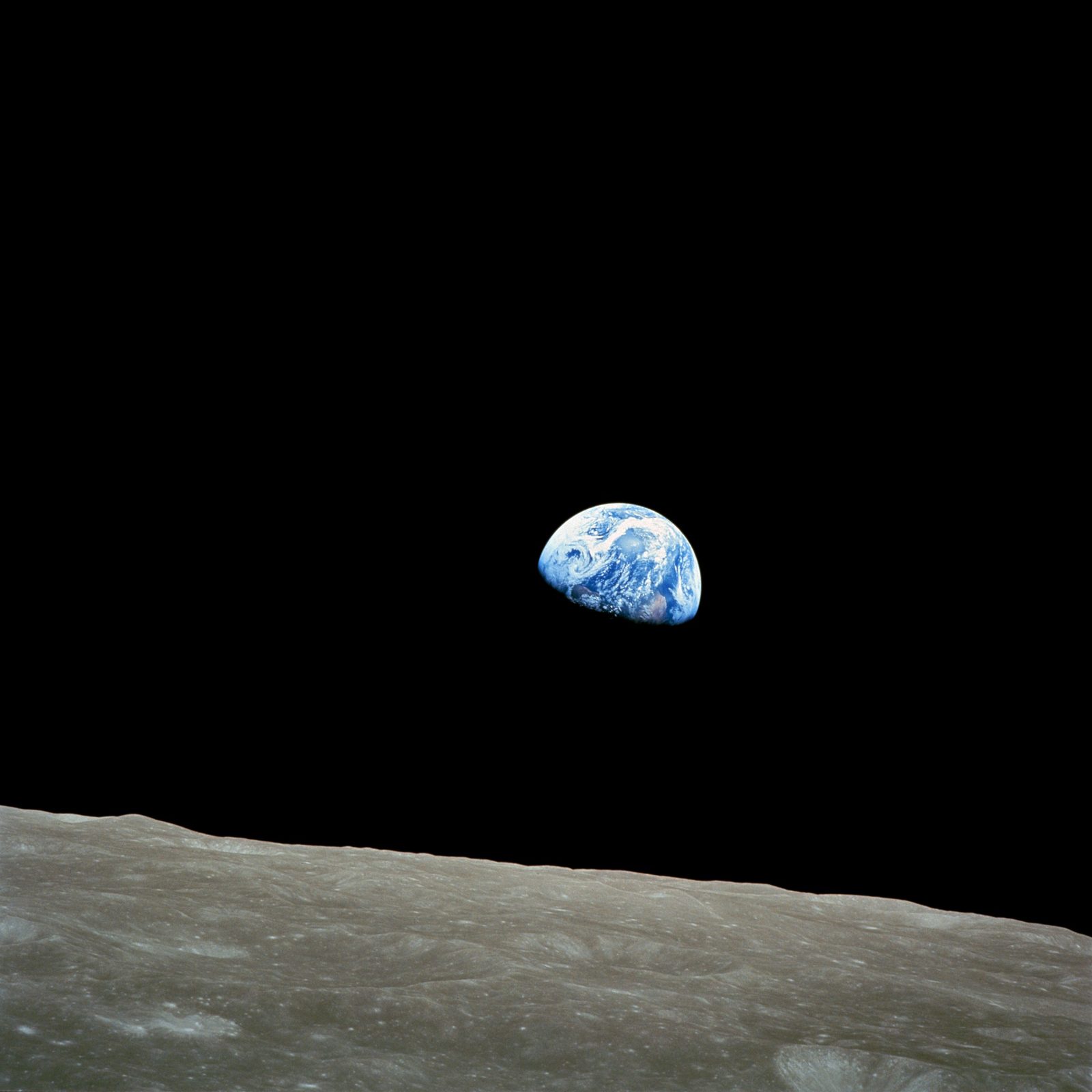
Yes — ordinary people can buy a trip to space in 2026. You don’t need to be an astronaut or a billionaire. Two routes are open today:
- Suborbital — a few minutes of weightlessness above the Kármán line. Roughly $150,000 to $750,000, a few days of training, and a medical screening most healthy adults can pass. Flown by Blue Origin (paused) and Virgin Galactic (returning late 2026).
- Orbital — days circling Earth aboard the ISS or a private station. From about $55 million, with months of training. Arranged by Axiom Space (flying now) and SpaceX.
You book through the operator or a broker, usually with a deposit and a waitlist. The rest of this guide walks each step in plain language.
Space tourism has officially arrived. What was once the exclusive domain of government-trained astronauts and billionaires with personal rocket companies is now a bookable, commercial industry — one that sold out flights in 2021, 2022, 2023, and every year since. If you’ve ever wondered what it would actually take to leave Earth, this guide is your starting point.
What Is Space Tourism?
Space tourism refers to commercial travel to outer space — defined as any altitude above the Kármán Line, which sits at 100 km (62 miles) above sea level. Below that line, you’re in the atmosphere. Above it, you’re officially in space.
Space tourism breaks down into three main tiers, each with very different experiences, price points, and providers:
- Suborbital tourism: Brief trips that cross the Kármán Line but don’t orbit Earth. Think of it as going up, experiencing a few minutes of weightlessness, and coming back down. The most accessible and affordable entry point.
- Orbital tourism: Actually orbiting Earth — traveling at roughly 28,000 km/h and circumnavigating the planet every 90 minutes. Missions typically last 8–14 days and often include a stay aboard the International Space Station (ISS) or a private orbital platform.
- Deep space tourism: Lunar flybys, eventual lunar surface tourism, and the ultra-long-term vision of Mars travel. These experiences are still mostly in the planning or early development phase as of 2026.
Who Are the Main Space Tourism Operators?
Five operators carry private citizens today (or are about to). Here’s the fast comparison — prices update live from our price index, where you can also check each operator’s current flight status.
| Operator | Experience | Price / seat |
|---|---|---|
| Blue Origin | Suborbital · ~11 min flight, 3–4 min weightless | ~$150K–$450K |
| Virgin Galactic | Suborbital · ~90 min flight, ~4 min weightless | $750K |
| Axiom Space | Orbital · ~10–14 days on the ISS | ~$55M |
| SpaceX | Orbital · multi-day free-flight (Crew Dragon) | Whole-capsule charter |
| Space Adventures | Orbital broker · ISS missions via Soyuz | By quote |
Blue Origin
Founded by Amazon’s Jeff Bezos, Blue Origin operates New Shepard — a vertical-takeoff, vertical-landing rocket designed for suborbital tourism. New Shepard has carried commercial passengers since July 2021. The capsule holds six passengers and flies to about 107 km, offering several minutes of weightlessness through large observation windows before a parachute descent back to the Texas desert.
Virgin Galactic
Sir Richard Branson’s Virgin Galactic flies SpaceShipTwo, a spaceplane that reaches approximately 85–90 km altitude — just above the US-defined boundary of space (80 km) but below the internationally recognized Kármán Line. Virgin Galactic began commercial operations in 2023 and grounded its fleet to develop next-generation Delta class vehicles with higher frequency and lower operating costs.
SpaceX
SpaceX doesn’t sell individual space tourism tickets directly — but it enables private missions through partnerships. The company’s Crew Dragon capsule has carried commercial crews for Axiom Space, and SpaceX has conducted entirely private missions like Inspiration4 and the Polaris program. SpaceX is also developing Starship, its massive next-generation rocket intended for point-to-point Earth travel and eventually Mars missions.
Axiom Space
Axiom Space is the leading private operator of orbital space tourism. The company arranges private astronaut missions to the ISS using SpaceX Crew Dragon and is developing its own private space station, Axiom Station, that will eventually detach from the ISS and operate independently. Axiom has completed four private ISS missions as of 2026 and is the go-to operator for anyone with an orbital budget.
Space Adventures
Space Adventures is the longest-running space tourism broker, having arranged the first-ever space tourist flight, Dennis Tito’s 2001 ISS trip, and seven subsequent orbital missions via the Russian Soyuz spacecraft. The company is currently not actively booking flights (Soyuz seat availability has contracted as Russia focuses on ISS obligations), but its track record established much of the commercial spaceflight infrastructure that operators use today.
Medical Requirements: Can You Actually Go?
One of the biggest questions first-time space tourism researchers ask is: am I physically eligible? The answer, for most healthy adults, is yes — with some caveats.
Suborbital flights
Medical requirements for suborbital flights are relatively accessible. Blue Origin requires passengers to be able to climb a seven-story structure, exit the capsule unassisted, and handle approximately 5G of acceleration during ascent and re-entry. Most healthy adults aged 18+ can qualify. Blue Origin has flown passengers ranging from their 20s to their 90s.
Common disqualifying conditions include:
- Recent cardiac events or uncontrolled heart disease
- Uncontrolled hypertension
- Recent surgeries or untreated orthopedic conditions
- Active seizure disorders
- Severe claustrophobia
Orbital flights
Orbital missions have stricter requirements because you’ll be in space for days or weeks. Axiom Space conducts a thorough medical screening process that mirrors NASA’s standards, plus extensive psychological evaluation. The extended duration means conditions like cardiovascular issues, vision problems (space can temporarily worsen eyesight), and certain medications require careful evaluation.
Importantly, these are screening processes — not automatic disqualifications. Many conditions that would have barred someone from NASA service in the 1960s are now manageable in a private commercial context. The goal is passenger safety, not maximizing rejections.
Training: What Does Preparation Look Like?
For suborbital flights
Suborbital training is brief by comparison to orbital programs. Passengers typically spend 1–3 days at the launch site going through:
- Safety briefings and emergency procedures
- Spacesuit fitting and orientation
- Familiarization flights in aircraft to simulate microgravity
- Physical conditioning checks
- Launch day preparation
For orbital missions
Orbital training is a serious commitment — typically 10–15 weeks of intensive preparation. Axiom Space’s training program includes:
- Russian language instruction (for ISS communications protocols)
- Centrifuge training to acclimate to G-forces
- Neutral buoyancy pool training (simulating spacewalks)
- Emergency procedures and ISS systems familiarization
- Medical and psychological preparation
- Launch and landing simulations

What Does the Experience Actually Feel Like?
Accounts from the more than 700 people who have flown to space converge on a few universal themes:
Launch is intense. Even on suborbital vehicles, the acceleration during ascent is significant — roughly 3–5G, pressing you back into your seat. It lasts 1–3 minutes. Every passenger reports it as overwhelming, terrifying, and exhilarating simultaneously.
Weightlessness is transformative. Every single person who has experienced genuine weightlessness describes it as one of the most profound physical sensations of their lives. Floating freely in three dimensions, with no “up” or “down,” is something the body doesn’t have a frame of reference for. Most passengers describe the first few seconds as disorienting and then immediately joy-inducing.
The view is indescribable. The curvature of Earth visible from 100+ km is genuinely different from anything achievable from an aircraft. The thin blue line of the atmosphere is visible from space, and the darkness beyond it is deeper than any night sky visible from the ground. Every returning space tourist mentions this as the defining image of the experience.
Re-entry is rougher than expected. Coming back is often described as more physical than the ascent. Suborbital capsules experience 5–6G on re-entry. The vehicle shakes and glows with heat. It’s over quickly but it’s memorable.
How to Book Your Trip to Space
Booking a space tourism flight isn’t like booking a vacation. There is no Expedia for orbital missions. The process looks more like this:
- Contact the operator directly. Blue Origin, Axiom Space, and Virgin Galactic all have inquiry forms on their websites. For suborbital flights, the process is relatively streamlined. For orbital, expect a significant qualification and vetting process before pricing is discussed.
- Complete medical screening. Before any financial commitment, you’ll undergo an initial medical review to establish eligibility. This can often be done through your own physician using operator-provided checklists, with a follow-up review by the operator’s medical team.
- Pay the deposit. Suborbital deposits vary by operator and have been known to be in the $10,000–$50,000 range. Orbital deposits are substantially higher. Full payment schedules are negotiated directly.
- Begin training. Once booked, you’ll be enrolled in the training program. For suborbital flights, this happens in the weeks before launch. For orbital, training begins 12–18 months before your mission date.
- Fly. Launch days are set months in advance but are subject to weather, technical, and safety holds. Flexibility is required.
For a full step-by-step walkthrough of reservations, deposits, and medical screening, see our dedicated guide on how to book a space tourism flight.
How Much Should You Budget?
Cost is usually the first real question, and the honest answer is that it spans a huge range depending on the tier you choose. A suborbital rocket flight, a few minutes above the boundary of space, has been priced from roughly $150,000 to $750,000 depending on operator (note: both Blue Origin and Virgin Galactic are currently paused between program generations as of mid-2026, so no active booking is open). An orbital mission, meaning days circling the Earth aboard the ISS, costs around $55 million per seat via Axiom Space. A near-space stratospheric balloon flight, which doesn’t quite reach space but delivers hours of black-sky views from 30 km altitude, runs $50,000–$125,000 depending on operator.
For most first-timers, suborbital is the realistic entry point. If you want to see exactly what each operator charges and what’s included, we keep dedicated breakdowns for Blue Origin, Virgin Galactic, and Axiom Space, plus a complete space tourism price index covering every operator and tier in one place. These prices are unusually all-inclusive — training, equipment, and mission support are bundled into the headline figure.
Suborbital vs Orbital: Which Should a Beginner Choose?
The two tiers are different experiences, not just different price points. Suborbital is short, gentle, and accessible: about a day of training, a flight measured in minutes, forgiving medical requirements, and a six-figure price. It’s the right choice if your goal is to cross into space, feel weightlessness, and see the curve of the Earth without rearranging your life to do it.
Orbital is a genuine expedition: months of training, days in space, stricter medical screening, and an eight-figure price. It’s for those who want the full, sustained experience of living aboard a spacecraft and watching the Earth turn beneath them for days. For almost every beginner, the practical path is to start with suborbital — and treat orbital as the dream upgrade. Our cost guide walks through the trade-offs in more detail.
Common Myths About Space Tourism
A few misconceptions keep people from realizing how accessible the experience has become:
- “You have to be an astronaut.” Not for suborbital flight. Operators have flown passengers from their teens to their 90s after a single day of training. Orbital missions ask more, but still don’t require a professional-astronaut background.
- “You need to be extremely fit.” Suborbital medical requirements are relatively forgiving; you mainly need to tolerate the g-forces of launch and re-entry. Many ordinary, healthy people qualify.
- “It’s only for billionaires.” Orbital flight is, for now. But suborbital seats, while expensive, are within reach of a much wider group — and prices are falling as competition and reusable rockets compound.
- “It isn’t safe.” Commercial human spaceflight has a strong recent safety record, with vehicles like New Shepard and Crew Dragon flying crews repeatedly. It remains a high-energy activity, which is exactly why training and medical screening exist — see our guide on whether space tourism is safe.
The Bottom Line for Beginners
Space tourism is no longer a theoretical future. It’s a real, functioning industry with flights that have already carried hundreds of commercial passengers. The costs are high (suborbital pricing has ranged from $150,000 to $750,000 per seat historically, with orbital starting around $55 million) but the curve is clearly downward, and the experiences are reportedly life-changing in a way that few other purchases can match.
If you’re reading this and thinking “maybe someday” — the window to be an early adopter is still open, but it’s narrowing. The industry is maturing. The flights are getting more frequent. And the price of waiting is potentially missing the moment when space tourism is still genuinely novel.
For the full pricing breakdown across every tier, see our guide: How Much Does a Space Trip Cost in 2026?
Rob founded OuterSpaceTrip and writes its operator cost guides, the Space Tourism Price Index, and the See Space Now gear reviews. He tracks pricing and flight-status announcements from every major operator and tests the stargazing gear we recommend. How we pick and source ▸
How Much Does a Space Trip Cost in 2026?
A full breakdown of suborbital, orbital, lunar and Mars pricing.
Read →Space Tourism Companies in 2026
Blue Origin, Virgin Galactic, SpaceX, Axiom and Space Adventures compared.
Read →How to Book a Space Tourism Flight
Step-by-step: which operators take reservations, how deposits work, medical screening, and what to expect before launch.
Read →Get space, in your inbox.
One email a week on space tourism — what it costs, how close we are, and what to see in the night sky tonight. Free, no spam, unsubscribe anytime.