How to Fly on SpaceX as a Space Tourist in 2026
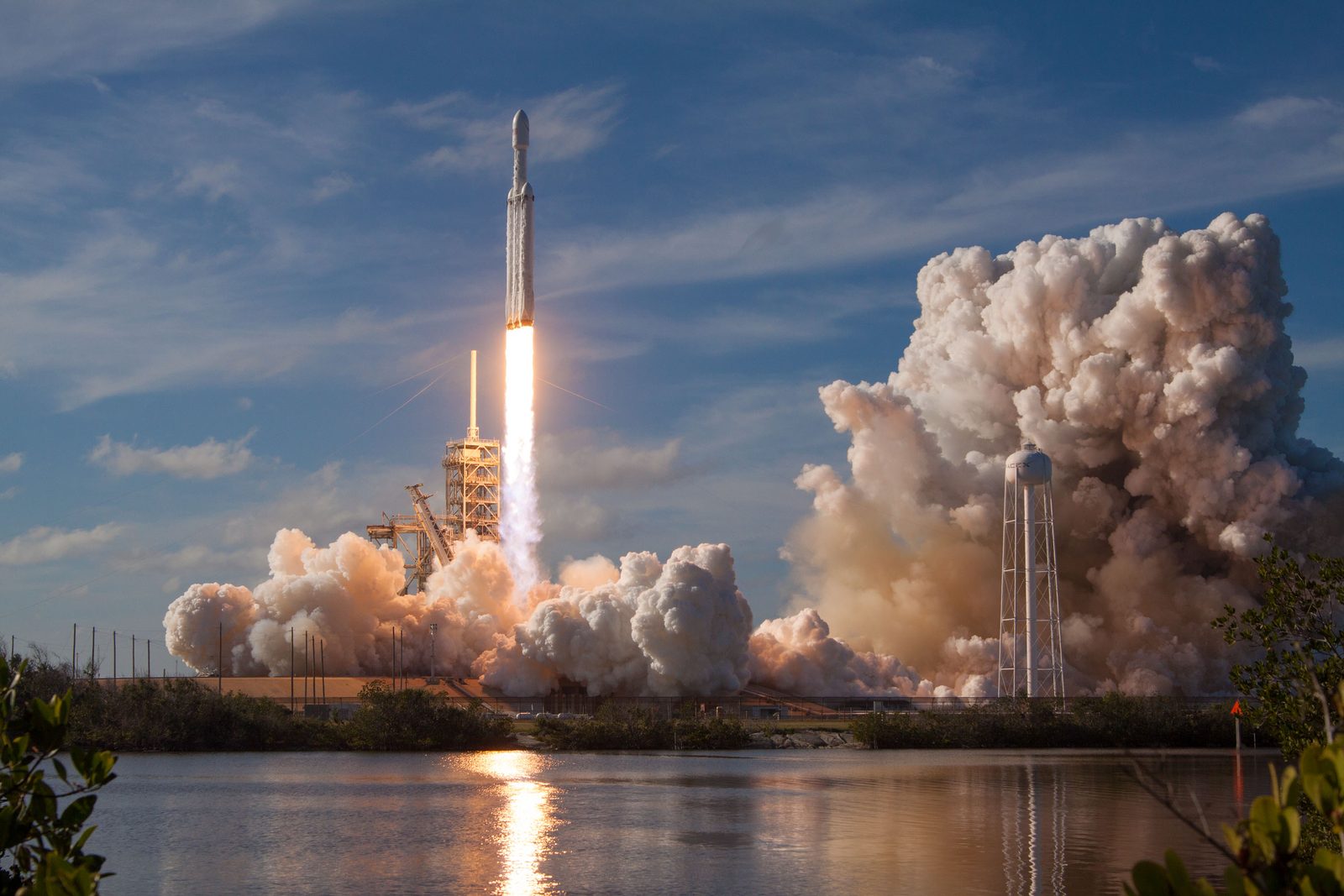
SpaceX is the most prominent name in spaceflight, the company that built and launches the Crew Dragon capsule, and the architect of Starship, the vehicle designed for lunar and eventual Mars travel. It is also unusual among space tourism operators in one important respect: SpaceX does not sell individual tourist seats. Instead, private citizens access SpaceX hardware through full-mission charters and partner operators. Understanding how that works is the key to understanding how to actually fly on a SpaceX rocket as a space tourist.
How private citizens fly on SpaceX
SpaceX has flown private citizens on its Crew Dragon capsule in two ways. The first is through a mission partner such as Axiom Space, which packages SpaceX transportation with NASA training and a stay aboard the ISS into a turnkey orbital mission. The second is a full-capsule charter organized by a private group that works directly with SpaceX to design a mission profile.
Axiom Space is the most reliable path today. It has operated multiple private missions to the ISS, each flying on Crew Dragon, and it handles everything from training to mission planning to the NASA access agreements needed to dock with the station. The price for an Axiom seat has been reported at around $55 million per person. For a full breakdown, see our Axiom Space cost guide.
Notable SpaceX private missions
SpaceX has already flown several landmark private missions that established the model for commercial orbital spaceflight:
| Mission | Date | Crew | Notable first |
|---|---|---|---|
| Inspiration4 | September 2021 | Jared Isaacman + 3 | First all-civilian orbital crew; no professional astronauts |
| Axiom Mission 1 (Ax-1) | April 2022 | Michael López-Alegría + 3 | First all-private orbital mission to the ISS |
| Polaris Dawn | September 2024 | Isaacman + 3 | First commercial spacewalk; highest Earth orbit since Apollo |
| Axiom Missions 2–4 | 2023–2025 | Various private crews | Ongoing private ISS missions; established repeatable orbital tourism |
Inspiration4 is worth understanding in detail because it defined the template. Organized by entrepreneur Jared Isaacman, it put four civilians into orbit for three days at an altitude of around 575 km, higher than the ISS, with no professional NASA astronaut aboard. The mission demonstrated that a trained private crew could operate Crew Dragon autonomously, which opened the door to everything that followed.
Polaris Dawn, also organized by Isaacman in 2024, went further: the crew performed the first commercial spacewalk, stepping outside the Dragon capsule in custom SpaceX-designed suits. It also flew the highest Earth orbit since the Apollo era. Together these missions established that SpaceX’s private spaceflight program is not a novelty — it is an operational capability that builds on itself.
What does a SpaceX mission cost?
SpaceX does not publish individual seat prices or mission costs. What the public record shows is:
- Axiom Space missions (using Crew Dragon): ~$55 million per seat, covering transport, training, and the ISS stay.
- Inspiration4: the full mission cost was not disclosed publicly, though industry estimates put a full four-seat Crew Dragon charter in the range of $200 million or more for a dedicated free-flying mission with custom orbit, profile, and mission design.
- Polaris Dawn: also a privately arranged charter; cost not disclosed.
The practical takeaway: if you want to fly on SpaceX hardware today, the most transparent and bookable path is through Axiom Space, at roughly $55 million per seat for an ISS mission. A full-capsule charter for a free-flying mission is a different, more expensive, and more complex arrangement that requires working directly with SpaceX at significant scale.
SpaceX vs other orbital operators
| Operator | Vehicle | Path for tourists | Est. cost / seat |
|---|---|---|---|
| SpaceX (via Axiom) | Crew Dragon / Falcon 9 | Book through Axiom Space | ~$55M |
| SpaceX (full charter) | Crew Dragon / Falcon 9 | Direct charter; full-capsule | $200M+ (full mission) |
| Blue Origin | New Shepard | Direct reservation | ~$150K–$450K (suborbital) |
| Virgin Galactic | SpaceShipTwo / Delta | Direct reservation | $750K (suborbital) |
Note that Blue Origin and Virgin Galactic fly suborbital missions — a few minutes above the atmosphere and back. SpaceX’s Crew Dragon puts you in orbit for days, which is a fundamentally different experience and the reason for the price difference. For a side-by-side comparison across all operators, see our space tourism price index.
Starship: the future of SpaceX space tourism
SpaceX’s long-term ambitions in space tourism run through Starship, its fully reusable super-heavy launch system. Starship is designed to be the vehicle for lunar tourism, eventual Mars missions, and point-to-point Earth travel. Elon Musk has projected that Starship could eventually bring per-seat costs for orbital spaceflight down to a fraction of what Crew Dragon missions cost today — the target figure for a Mars mission has been cited around $500,000 long-term, contingent on the economics of a fully reusable, high-cadence system.
As of 2026, Starship has completed multiple uncrewed test flights and is progressing toward full operational capability, but it has not yet carried commercial passengers. Any crewed Starship tourist mission remains in the future, with no bookable seats and no published pricing. When that changes, it will be the most significant pricing event in the history of space tourism. Until then, Crew Dragon via Axiom remains the way to orbit on SpaceX hardware.
SpaceX as an investment play
Following its IPO, SpaceX trades publicly under the ticker SPCX, giving investors a way to participate in the company’s growth without booking a mission. Its valuation reflects both its launch dominance (Falcon 9 is the world’s most-launched orbital rocket) and the long-term optionality of Starship’s commercial potential. For context on how to invest in the broader space tourism sector, see our space tourism investing guide.
How to actually fly on SpaceX today
The practical steps for a prospective SpaceX passenger in 2026:
- Route 1: Axiom Space. Contact Axiom Space directly to explore private ISS mission seats. This is the most established and transparent path to flying on Crew Dragon, at roughly $55M per seat with months of training included.
- Route 2: Full-mission charter. Organizing an Inspiration4-style dedicated mission requires approaching SpaceX directly, substantial resources, and a willingness to design and lead a complex multi-year program. This is not a consumer product.
- Route 3: Wait for Starship. If the goal is lunar or deep-space tourism, the only path runs through Starship, which is not yet carrying commercial passengers but is the platform where the most dramatic price drops will eventually come.
For most prospective space tourists with orbital ambitions, Axiom Space is the answer today. For those exploring all the options, start with our full space tourism cost guide and operator comparison.
Rob founded OuterSpaceTrip and writes its operator cost guides, the Space Tourism Price Index, and the See Space Now gear reviews. He tracks pricing and flight-status announcements from every major operator and tests the stargazing gear we recommend. How we pick and source ▸
How Much Does a Blue Origin Flight Cost?
New Shepard suborbital pricing, what’s included, and how to book.
Read →How Much Does a Virgin Galactic Ticket Cost?
SpaceShipTwo pricing, the spaceplane experience, and booking.
Read →How Much Does a Space Trip Cost in 2026?
A full breakdown of suborbital, orbital, lunar and Mars pricing.
Read →Get space, in your inbox.
One email a week on space tourism — what it costs, how close we are, and what to see in the night sky tonight. Free, no spam, unsubscribe anytime.